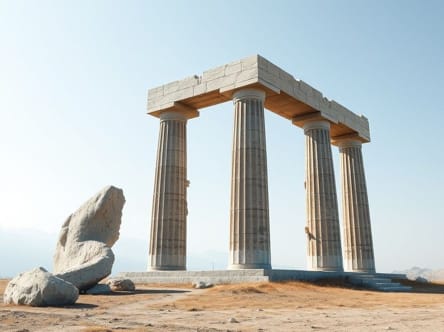
The practice of erecting megaliths is one of the most fascinating aspects of prehistoric human culture, reflecting both technical ingenuity and deep spiritual or social significance. Megaliths, which are large stones arranged or erected as monuments, appear in many parts of the world and serve various purposes, from burial sites to ceremonial centers. The construction of these massive stone structures required remarkable organization, engineering skills, and communal effort. Understanding the practice of erecting megaliths sheds light on the beliefs, social structures, and technological capabilities of ancient societies.
What Are Megaliths?
Megaliths are large stones used to build structures or monuments without the use of mortar or cement. The word megalith comes from the Greek words mega meaning large and lithos meaning stone. These stones can range from a few tons to tens of tons in weight and are often arranged in patterns such as circles, rows, or as solitary standing stones called menhirs. Megalithic structures are typically associated with the Neolithic and Bronze Age periods but can be found in various contexts worldwide.
Types of Megalithic Structures
- Menhirs: Single standing stones often placed upright in the ground.
- Dolmens: Stone tombs consisting of two or more vertical stones supporting a horizontal capstone.
- Cromlechs: Stone circles, such as Stonehenge, where multiple megaliths are arranged in circular patterns.
- Passage Graves: Tombs with a narrow passage leading to a burial chamber, often covered with earth.
The Historical Context of Megalithic Construction
The practice of erecting megaliths began thousands of years ago, with the earliest examples dating back to around 4500 BCE. Different regions developed their own styles and traditions, influenced by local culture, geology, and social needs. Megalithic construction flourished particularly in Europe, parts of Asia, Africa, and the Pacific Islands.
Geographical Spread
- Western Europe: Famous for large megalithic sites like Stonehenge in England and Carnac in France.
- Scandinavia: Notable for stone ship settings and burial monuments.
- Southeast Asia: Megalithic cultures with standing stones in places like Indonesia and the Philippines.
- Africa: Megaliths found in regions such as Senegal and Sudan, often linked to ancient burial practices.
Techniques and Challenges in Erecting Megaliths
Building megaliths was a monumental task for prehistoric communities, requiring the transportation and precise positioning of massive stones. Without modern machinery, ancient people used innovative techniques and coordinated group labor to overcome these challenges.
Methods of Transport and Erection
- Quarrying: Extracting large stones from rock outcrops using tools made from stone, bone, or wood.
- Transportation: Moving stones over land with wooden sledges, rollers, or dragging using ropes and manpower.
- Leverage: Employing ramps, levers, and inclined planes to position stones upright or into place.
- Community Effort: Organizing large groups to coordinate the complex logistics of moving and erecting stones.
The Purpose and Significance of Megaliths
The reasons behind erecting megaliths vary across cultures, but they generally reflect spiritual, ceremonial, or social functions. Many megalithic sites served as burial places, marking the graves of important individuals or communities. Others had astronomical alignments or were centers for ritual gatherings, connecting people with their environment and cosmos.
Common Functions of Megalithic Structures
- Burial Sites: Tombs and cairns honoring the dead and ensuring their journey to the afterlife.
- Astronomical Observatories: Alignments marking solstices, equinoxes, and celestial events to guide agricultural cycles.
- Territorial Markers: Stones delineating boundaries or asserting social control over land.
- Ritual and Ceremonial Centers: Places for religious ceremonies, festivals, and social cohesion.
Cultural and Social Implications
Constructing megaliths required sophisticated social organization, indicating that prehistoric communities had leaders, skilled workers, and cooperative networks. The ability to mobilize large groups for these projects suggests a shared belief system and collective goals. Megaliths also express a community’s relationship with death, nature, and the cosmos, revealing complex worldviews.
Social Organization and Megalithic Culture
- Division of labor between quarry workers, transporters, builders, and ritual specialists.
- Leadership structures to plan and oversee construction projects.
- Symbolic communication through stone art and positioning.
- Shared religious or cultural beliefs that motivated communal effort.
Examples of Famous Megalithic Sites
Throughout the world, many megalithic sites stand as testimonies to ancient ingenuity and spirituality. These sites attract archaeologists and tourists alike, offering insight into prehistoric human life and thought.
Notable Megalithic Monuments
- Stonehenge, England: Perhaps the most famous, this stone circle has astronomical alignments and served ceremonial purposes.
- Carnac Stones, France: Thousands of standing stones arranged in rows and patterns over several kilometers.
- Göbekli Tepe, Turkey: One of the oldest known megalithic sites, believed to be a ritual complex dating back over 11,000 years.
- Dolmens of Korea: Burial structures made of large stone slabs found across the Korean peninsula.
The Enduring Mystery of Megaliths
Despite advances in archaeology, many aspects of the practice of erecting megaliths remain mysterious. Questions about the exact methods of construction, the full meaning of the symbolism, and the social dynamics behind these projects continue to inspire research and debate. Megaliths stand as powerful reminders of prehistoric human creativity and the desire to connect with the environment and the spiritual world.
Ongoing Research and Discoveries
- Use of modern technologies such as ground-penetrating radar and 3D modeling to study sites.
- Interdisciplinary studies combining archaeology, anthropology, and astronomy.
- Discoveries of new sites providing fresh insights into megalithic cultures.
- Continued exploration of the cultural context of megalithic construction.
The practice of erecting megaliths reflects an extraordinary chapter in human history, showcasing the intersection of engineering skill, social organization, and spiritual expression. These giant stones continue to captivate imaginations and provide valuable knowledge about ancient peoples and their worldviews. By studying megaliths, we not only uncover details of prehistoric life but also gain a deeper appreciation for humanity’s enduring quest to leave a lasting mark on the landscape.