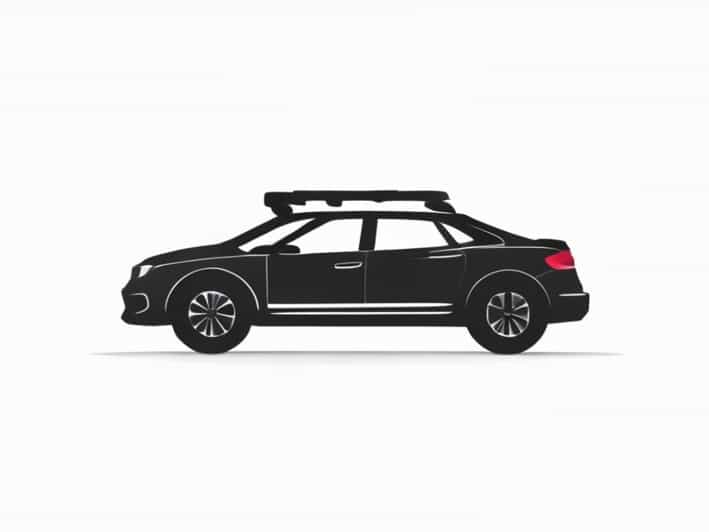
Installing a roof rack on your car can offer significant advantages, especially for transporting large items such as luggage, bicycles, kayaks, or sports equipment. However, adding a roof rack also affects the vehicle in various ways, from fuel efficiency to handling and overall performance. Understanding how a roof rack impacts your car is crucial for making informed decisions, optimizing safety, and maintaining your vehicle’s performance over time. This topic explores the effects of roof racks, considerations for different types, and tips for minimizing any negative impact while maximizing utility.
How a Roof Rack Affects Fuel Efficiency
One of the most noticeable effects of a roof rack is its impact on fuel consumption. Roof racks increase aerodynamic drag, which forces the engine to work harder to maintain speed, particularly at highway speeds. Studies and user reports indicate that fuel efficiency can decrease by 5% to 15% depending on the design of the rack, vehicle type, and how heavily it is loaded. The effect is more pronounced when the roof rack is loaded with bulky items such as luggage boxes or sports gear, as these items disrupt the airflow over the vehicle. Empty roof racks also cause some drag but to a lesser extent.
Factors Influencing Fuel Impact
- Shape and size of the roof rack Larger, more rectangular racks tend to increase drag more than streamlined, low-profile racks.
- Type of cargo Bulky or irregularly shaped items, such as kayaks, can significantly reduce fuel efficiency.
- Driving speed The higher the speed, the more pronounced the aerodynamic drag and fuel penalty.
- Vehicle type Smaller cars are more affected by additional wind resistance compared to larger SUVs with a higher power-to-weight ratio.
Impact on Vehicle Handling and Stability
Adding a roof rack alters the vehicle’s center of gravity, which can affect handling, especially during cornering, sudden maneuvers, or in windy conditions. A higher center of gravity makes the car more prone to body roll and may require adjustments in driving style. When fully loaded, roof racks can also increase sway and reduce stability, making it crucial to secure cargo properly and avoid overloading. Drivers may notice slight changes in steering response and braking distance, particularly when carrying heavy loads on the roof.
Safety Considerations
To maintain safety while using a roof rack, consider the following
- Check the manufacturer’s recommended load limit for your roof rack and vehicle roof.
- Distribute weight evenly to avoid unbalancing the car.
- Secure cargo tightly with straps or mounts to prevent shifting while driving.
- Drive cautiously in adverse weather, such as high winds or rain, which can exacerbate handling issues.
Effects on Vehicle Noise
Roof racks can contribute to increased wind noise during driving, especially at higher speeds. The noise level varies depending on the design of the rack and whether it is loaded. Aerodynamic or flush-mounted racks tend to produce less wind noise, whereas older or boxier designs may generate more turbulence. Adding accessories like roof boxes or cargo carriers can also increase noise levels. While this may be a minor inconvenience for some drivers, others may find it noticeable on long trips or at highway speeds.
Impact on Roof and Vehicle Integrity
Proper installation and weight management are critical to prevent damage to the vehicle. Roof racks attach to the roof via specific mounts, clamps, or rails, and improper installation can lead to scratches, dents, or leaks. Overloading the roof beyond the manufacturer’s recommended weight can stress the roof structure, affecting the car’s integrity over time. Regular inspection of mounting points and hardware helps maintain vehicle safety and prevents long-term damage.
Effect on Resale Value
Roof racks, particularly when used improperly or causing wear, can slightly affect a car’s resale value. Visible scratches, dents, or worn mounting points may reduce the appeal to potential buyers. Keeping the roof in good condition, using protective pads or covers, and following the recommended weight limits can mitigate these effects.
Choosing the Right Roof Rack
Choosing a roof rack that minimizes negative impacts involves considering your car type, usage needs, and the specific design of the rack. Low-profile, aerodynamic racks are generally better for fuel efficiency and wind noise reduction. Modular systems that allow for removal when not in use can reduce unnecessary drag. Some vehicles come with factory-installed racks that are specifically engineered to reduce these impacts, while aftermarket racks may require careful selection to ensure compatibility and safety.
Additional Tips for Roof Rack Users
- Remove the roof rack when not in use to preserve fuel efficiency and reduce noise.
- Keep the rack clean and free from debris to prevent scratches or corrosion.
- Regularly check fasteners and mounting points for tightness and security.
- Consider using soft racks or foam pads for lighter items like bikes or kayaks to reduce roof stress.
- Plan loading and unloading carefully to avoid injury or damage to the vehicle.
A roof rack offers tremendous utility for transporting items that would otherwise not fit inside the vehicle, enhancing the car’s versatility for travel, sports, and outdoor activities. However, it affects various aspects of the car, including fuel efficiency, handling, noise levels, and roof integrity. Understanding these impacts allows drivers to make informed decisions, choose the right type of roof rack, and adopt practices that minimize negative effects. Proper installation, weight management, and careful driving are key to safely and efficiently using a roof rack. With the right precautions, a roof rack can greatly enhance the practicality of a vehicle while maintaining safety, comfort, and performance.