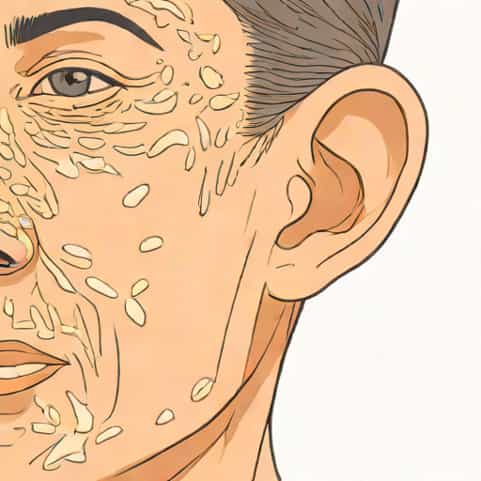
Seborrheic dermatitis, also known as seborrhea, is a common skin condition that affects millions of people worldwide. It can appear in different forms, ranging from mild dandruff to more noticeable patches of irritated and flaky skin. Although it is not contagious or life-threatening, seborrheic dermatitis can be frustrating due to its persistent symptoms and its tendency to flare up unexpectedly. Understanding the causes, symptoms, and treatment options helps individuals manage the condition more effectively and improve their quality of life.
What Is Seborrheic Dermatitis?
Seborrheic dermatitis is a chronic skin disorder that primarily affects areas of the body rich in oil-producing glands. This includes the scalp, face, upper chest, and back. The condition leads to red, scaly, and itchy patches that may also appear greasy or flaky. In infants, it is commonly referred to as cradle cap, while in adults, it is often associated with dandruff and persistent skin irritation.
Characteristics of Seborrheic Dermatitis
- Scaly or flaky skin on the scalp, face, or body.
- Redness and mild swelling in affected areas.
- Itching or burning sensations.
- Patches of greasy-looking skin covered with white or yellow scales.
These features make seborrhea distinct from other skin conditions such as eczema or psoriasis, although they may sometimes look similar.
Causes of Seborrhea
The exact cause of seborrheic dermatitis is not fully understood, but several factors are known to contribute to its development. It is believed to result from a combination of genetic, environmental, and biological factors.
Possible Triggers
- Overgrowth ofMalassezia, a type of yeast that naturally lives on the skin.
- Excess oil (sebum) production by sebaceous glands.
- Weakened immune system or certain medical conditions such as Parkinson’s disease or HIV/AIDS.
- Stress, fatigue, and lack of sleep.
- Cold or dry weather conditions that irritate the skin.
- Hormonal fluctuations that affect oil production.
Understanding these triggers can help patients anticipate flare-ups and adopt lifestyle changes to reduce symptoms.
Who Is Affected?
Seborrheic dermatitis affects people of all ages, but some groups are more prone to developing the condition.
Commonly Affected Groups
- InfantsCradle cap is common in babies under three months old but usually resolves within a year.
- AdultsMost cases occur between the ages of 30 and 60, with men more commonly affected than women.
- Individuals with Health ConditionsPeople with neurological disorders, weakened immunity, or chronic illnesses may experience more severe or persistent symptoms.
Even though seborrhea is widespread, its severity varies greatly from one individual to another.
Symptoms of Seborrheic Dermatitis
The symptoms of seborrheic dermatitis can appear gradually and range from mild dandruff to inflamed skin patches. Symptoms often come and go, with periods of remission followed by flare-ups.
Typical Signs
- Persistent dandruff on the scalp.
- Oily patches of skin with flaky white or yellow scales.
- Itchy, red areas on the face, especially around the nose, eyebrows, and ears.
- Skin irritation on the chest, back, or creases of the body.
- Crusting or thick scales in severe cases.
Because symptoms overlap with other skin conditions, a proper diagnosis from a dermatologist is recommended.
Diagnosis and Evaluation
Diagnosis is usually made through a physical examination of the skin. A dermatologist may review the patient’s medical history and evaluate the pattern of symptoms. In rare cases, a skin biopsy may be performed to rule out other conditions like psoriasis or fungal infections.
Treatment Options for Seborrhea
Treatment focuses on controlling symptoms rather than curing the condition, as seborrheic dermatitis tends to be chronic and recurring. The choice of treatment depends on the severity of the condition and the area of the body affected.
Medicated Shampoos
For scalp seborrhea, medicated shampoos are often the first line of treatment. These shampoos may contain ingredients such as
- Zinc pyrithione
- Selenium sulfide
- Ketoconazole
- Coal tar
- Salicylic acid
Regular use helps reduce dandruff, itching, and flaking.
Topical Creams and Lotions
For facial and body seborrhea, doctors may recommend antifungal creams, corticosteroid creams, or calcineurin inhibitors to reduce inflammation and fungal growth.
Lifestyle and Home Remedies
- Wash affected areas daily with a gentle cleanser.
- Use fragrance-free moisturizers to prevent dryness.
- Manage stress with relaxation techniques like meditation or exercise.
- Avoid harsh hair products or skin care items that can trigger flare-ups.
- Spend limited time in the sun, as mild sunlight sometimes improves symptoms.
These steps, when combined with medical treatments, can help individuals keep symptoms under control.
Complications of Seborrheic Dermatitis
In most cases, seborrheic dermatitis is manageable and does not lead to serious complications. However, if left untreated, it may cause persistent itching, secondary bacterial infections from scratching, or significant cosmetic concerns that affect self-esteem.
Living with Seborrhea
Because seborrheic dermatitis is a long-term condition, learning to live with it is an important part of treatment. Patients often find that adopting a consistent skincare routine, identifying personal triggers, and working closely with a dermatologist helps them manage flare-ups effectively. Over time, many people learn how to reduce the impact of seborrhea on their daily lives.
Frequently Asked Questions
Is seborrheic dermatitis contagious?
No, seborrheic dermatitis is not contagious. It cannot be spread from one person to another through contact.
Does diet affect seborrhea?
While diet is not a direct cause, some individuals notice improvements when they limit foods that trigger inflammation, such as processed foods, sugar, or alcohol.
Can seborrhea go away on its own?
In infants, cradle cap often resolves naturally within months. In adults, seborrheic dermatitis tends to be a lifelong condition with periods of remission and flare-ups.
Is seborrheic dermatitis the same as psoriasis?
No, although they share similar symptoms, seborrheic dermatitis and psoriasis are distinct conditions with different underlying causes and treatments.
Seborrheic dermatitis, or seborrhea, is a chronic skin condition that can affect both children and adults. While it may not pose a serious health risk, its symptoms can be uncomfortable and persistent. With a combination of medicated shampoos, topical treatments, and healthy lifestyle practices, most individuals are able to control flare-ups and reduce the severity of symptoms. By understanding the nature of the condition and working with a healthcare provider, people living with seborrhea can lead comfortable and confident lives despite the challenges of this skin disorder.