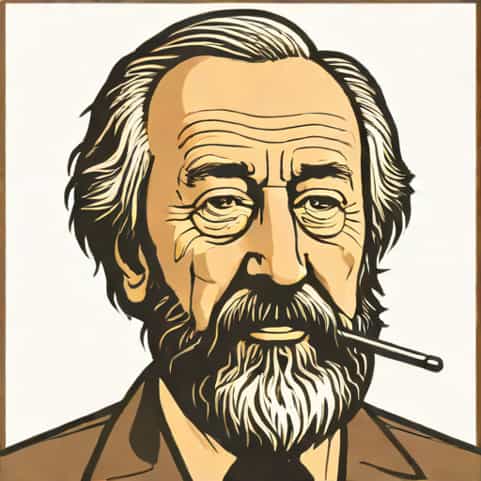
Alexander Solzhenitsyn, a towering figure in twentieth-century literature, is widely recognized as a voice of freedom whose works exposed the harsh realities of life under totalitarian regimes. Born in Russia in 1918, Solzhenitsyn lived through some of the most tumultuous periods in modern history, including World War II and the oppressive rule of the Soviet Union. His firsthand experiences of political persecution, labor camps, and systemic injustice profoundly shaped his writings and moral vision. Through his novels, essays, and speeches, Solzhenitsyn courageously critiqued authoritarian power, championed human dignity, and inspired countless readers around the world to value liberty and truth. His work remains an essential reference for understanding the costs of tyranny and the enduring need for individual conscience.
Early Life and Influences
Childhood and Education
Alexander Solzhenitsyn was born in Kislovodsk, Russia, into a modest family. From an early age, he demonstrated intellectual curiosity and a profound interest in literature and history. His educational journey took him through local schools and eventually to higher studies, where he excelled in mathematics and physics but remained deeply engaged with philosophical and literary ideas. These formative years cultivated a sense of moral responsibility and a keen awareness of societal injustices, laying the groundwork for his future role as a chronicler of human suffering and resilience.
Impact of World War II
Solzhenitsyn’s experiences during World War II significantly shaped his worldview. Serving as an artillery officer in the Soviet Army, he witnessed the horrors of battle and the psychological toll of war. However, it was not only the battlefield that influenced him but also the oppressive mechanisms of the Soviet state. His candid observations of corruption, arbitrary authority, and systemic brutality informed his later literary works, where these themes became central. The war period instilled in him a profound understanding of the fragility of human freedom and the resilience required to defend it.
Gulag Experience and Literary Awakening
Arrest and Imprisonment
In 1945, Solzhenitsyn was arrested for criticizing Stalin in private letters, an act deemed subversive by Soviet authorities. He was sentenced to eight years in labor camps, known as Gulags, where prisoners endured forced labor, starvation, and harsh physical conditions. These years were transformative, offering him an intimate understanding of state-sanctioned oppression and the depths of human endurance. Rather than breaking his spirit, the experience strengthened his commitment to truth and moral accountability, themes that would dominate his literary career.
Writing as Resistance
It was during his time in the Gulag that Solzhenitsyn began to develop his distinctive literary voice. His writing served as a means of preserving human dignity amidst suffering and documenting the realities of life under an oppressive regime. By recording both the cruelty of the camps and the courage of fellow prisoners, he created a body of work that transcended personal narrative, becoming a universal testimony to the resilience of the human spirit. This commitment to truth-telling marked him as a moral voice and a steadfast advocate for freedom.
Major Works and Themes
One Day in the Life of Ivan Denisovich
Published in 1962, One Day in the Life of Ivan Denisovich was Solzhenitsyn’s first widely recognized work, detailing a single day in the life of a Gulag prisoner. The novel brought international attention to the realities of Soviet labor camps, portraying the daily struggles, resilience, and small triumphs of ordinary individuals. Its candid depiction of oppression and endurance highlighted themes of personal dignity, moral courage, and the human capacity for hope, establishing Solzhenitsyn as a significant literary and moral figure.
The Gulag Archipelago
Arguably Solzhenitsyn’s most influential work, The Gulag Archipelago is a multi-volume exploration of the Soviet prison system. Published between 1973 and 1975, it combined personal narrative, historical research, and survivor testimonies to expose the vast machinery of repression and terror. The work’s meticulous documentation and philosophical reflection transformed it into both a literary masterpiece and a powerful political statement. Through its pages, Solzhenitsyn articulated the moral imperative to resist tyranny and defend individual freedom, influencing public opinion both in the Soviet Union and abroad.
Other Notable Works
In addition to these major works, Solzhenitsyn authored numerous novels, essays, and speeches that continued to examine themes of conscience, justice, and freedom. Works such as Cancer Ward and August 1914 explored the psychological and societal consequences of authoritarian rule, while his essays on Russian history and spirituality reflected a deep engagement with moral and philosophical questions. Across all his writings, the central concern remained consistent the protection of human dignity and the affirmation of truth against oppressive systems.
Solzhenitsyn as a Moral Voice
Championing Freedom of Expression
Solzhenitsyn’s life and work exemplified the struggle for freedom of expression in a context where dissent was punished with imprisonment or exile. By speaking out against injustice and chronicling the realities of totalitarianism, he demonstrated the power of literature as a form of resistance. His courage inspired other writers, intellectuals, and ordinary citizens to question authority, uphold moral integrity, and recognize the intrinsic value of individual liberty.
Influence on Global Awareness
Solzhenitsyn’s writings were instrumental in raising global awareness about the realities of life under Soviet rule. Translations of his works brought international attention to the plight of political prisoners, the Gulag system, and the broader consequences of authoritarianism. Governments, human rights organizations, and the general public engaged with his accounts, which served as both documentation and indictment of oppressive practices. Through his literary and moral authority, Solzhenitsyn became a symbol of resistance and a voice advocating freedom worldwide.
Exile and Later Life
Forced Departure from the Soviet Union
In 1974, Solzhenitsyn was forcibly exiled from the Soviet Union due to the political impact of his writings. He spent years in Western Europe and the United States, continuing his literary and philosophical work. During this period, he remained a vocal critic of authoritarianism and a steadfast advocate for freedom, using his exile to reach a global audience and influence public discourse on human rights and liberty.
Return to Russia
Following the dissolution of the Soviet Union, Solzhenitsyn returned to Russia in 1994, where he continued to write and reflect on the future of his homeland. His later works emphasized the importance of moral and spiritual renewal, historical awareness, and the preservation of freedom within a society transitioning from authoritarian rule. His return symbolized a reconciliation with his past and a continued commitment to speaking truth to power.
Legacy and Enduring Impact
Recognition and Awards
Solzhenitsyn received numerous accolades for his literary and moral contributions, including the Nobel Prize in Literature in 1970. These honors recognized not only his mastery of narrative and historical documentation but also his courage in exposing injustice and championing freedom. His legacy continues to influence writers, historians, and human rights advocates worldwide.
Inspiration for Future Generations
Solzhenitsyn’s life and work remain a powerful source of inspiration, reminding readers of the importance of moral courage, conscience, and the defense of liberty. His writings encourage critical reflection on the ethical responsibilities of individuals in society and the enduring need to resist oppression. As a voice of freedom, Solzhenitsyn exemplifies how literature can illuminate truth, challenge injustice, and inspire profound social and personal transformation.
- Alexander Solzhenitsyn A voice for freedom and conscience.
- Key works One Day in the Life of Ivan Denisovich, The Gulag Archipelago.
- Themes Human dignity, moral courage, and resistance to tyranny.
- Impact Raised global awareness about Soviet oppression.
- Exile Continued advocacy for freedom abroad.
- Return to Russia Focused on moral and historical reflection.
- Legacy Influenced generations of writers, activists, and readers.