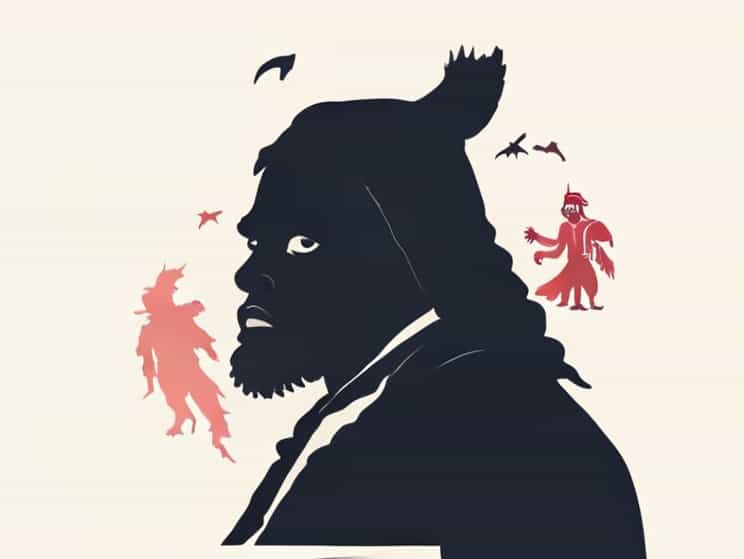
On a cold evening in March 1770, a tragic event unfolded on the streets of Boston that would forever change the course of American history. Known as the Boston Massacre, it was not only a clash between colonists and British soldiers but also the moment when a man of African and Native American descent, Crispus Attucks, became the first casualty of the struggle for independence. His death symbolizes the sacrifices of ordinary people who stood up against oppression, and his role continues to be remembered as an important part of the nation’s story.
The Tensions Leading to the Boston Massacre
By the late 1760s, Boston had become a center of resistance against British colonial policies. The imposition of taxes, such as the Townshend Acts, angered colonists who believed they were being unfairly burdened without representation in Parliament. As a result, protests and boycotts spread throughout the city. To maintain control, Britain stationed troops in Boston, a decision that only heightened tensions. The presence of armed soldiers patrolling the streets was seen as an insult by the people, who feared their liberties were being stripped away.
The friction between colonists and soldiers grew stronger each day. Locals viewed British troops as intruders who competed for jobs and threatened their way of life. Soldiers, in turn, felt harassed by the constant insults and provocations from the townspeople. This volatile atmosphere created the perfect conditions for a deadly confrontation.
The Role of Crispus Attucks
Crispus Attucks is one of the most notable figures of the Boston Massacre. He was a man of African and Native American heritage, born in Massachusetts around 1723. Historical records suggest he may have been enslaved in his youth, but later gained freedom and worked as a sailor and laborer. His life represents the diversity of colonial America, where free and enslaved Black men contributed to both local economies and the growing movement for freedom.
On the night of March 5, 1770, Attucks was part of the crowd gathered near the Customs House. The group had been taunting the British soldiers, throwing snowballs, ice, and debris. Accounts describe Attucks as standing at the front, leading the protest with courage and defiance. When the soldiers opened fire, Attucks was the first to fall. His death marked him as the first martyr of the American Revolution, a symbol of resistance whose sacrifice would inspire generations to come.
The Events of March 5, 1770
The confrontation began as an argument between a colonist and a British soldier. Quickly, a crowd formed, and the anger of the townspeople grew louder. Cries for justice mixed with jeers aimed at the soldiers, who were already nervous from the hostile atmosphere. Snowballs and sticks were hurled at the troops, testing their discipline. Eventually, amidst the chaos, shots rang out.
When the smoke cleared, five colonists were dead or dying, and several others were wounded. Crispus Attucks lay among them, shot twice, and his blood spilled on Boston’s cobblestones. His death, along with the others, shocked the city and ignited outrage across the colonies. The incident became a rallying point for those calling for independence from Britain.
The Aftermath and Trials
In the wake of the Boston Massacre, colonial leaders seized the opportunity to spread their message. Patriots such as Samuel Adams and Paul Revere used the event to demonstrate British cruelty and oppression. Revere’s famous engraving of the Massacre showed defenseless colonists being fired upon by a line of soldiers, an image that spread quickly and fueled anti-British sentiment.
The soldiers involved were put on trial, and future President John Adams served as their defense attorney. Adams argued that the soldiers fired in self-defense after being attacked by the mob. In the end, most soldiers were acquitted, and two were convicted of manslaughter. While justice was debated, the significance of the event grew larger than the trial itself. Crispus Attucks and the other victims were honored in a public funeral attended by thousands, cementing their role as heroes in the struggle for liberty.
Crispus Attucks as a Symbol
Crispus Attucks became more than just a casualty; he became a symbol of freedom and resistance. For African Americans and other marginalized communities, his role in the Boston Massacre represented inclusion in the nation’s fight for liberty. At a time when slavery was still present, his sacrifice challenged the notion that the Revolution was solely a fight for white colonists.
Over the years, Attucks has been remembered through memorials, monuments, and celebrations. His name has been honored in schools, organizations, and cultural works. During the 19th century, abolitionists often pointed to his sacrifice as evidence that Black men had been central to the nation’s birth and were entitled to full citizenship and rights.
The Boston Massacre in Historical Memory
The Boston Massacre is often taught as one of the key turning points in the lead-up to the American Revolution. It illustrated the widening gap between Britain and its colonies and highlighted the willingness of ordinary people to confront military power. Crispus Attucks, in particular, is remembered as a figure who stood at the crossroads of race, freedom, and patriotism.
His legacy continues to resonate because it underscores the idea that the American Revolution was not just a political movement led by elites, but also a popular struggle involving people from different backgrounds. The blood spilled on Boston’s streets that night became a call to action that unified many colonists against British rule.
Lessons from the Boston Massacre and Crispus Attucks
Looking back at the Boston Massacre and the life of Crispus Attucks offers valuable lessons for today. It reminds us that the fight for justice often comes at a great cost and that the contributions of marginalized individuals should not be forgotten. Attucks’s courage demonstrates how ordinary people can change history, even in the face of overwhelming power.
- The Boston Massacre revealed the dangers of military occupation in civilian communities.
- Crispus Attucks showed that leadership and sacrifice can come from unexpected places.
- The event became a symbol of resistance that united colonists across social and racial lines.
- Remembering Attucks highlights the importance of including diverse voices in the national narrative.
The Boston Massacre and the death of Crispus Attucks remain central to the story of America’s struggle for independence. Attucks’s place as the first casualty of the Revolution is not only a historical fact but also a lasting symbol of sacrifice and courage. His life and death remind us that the path to freedom was paved with the bravery of people from all walks of life. As history continues to be studied and remembered, Crispus Attucks stands tall as a figure who embodies both the pain and the promise of the American Revolution.