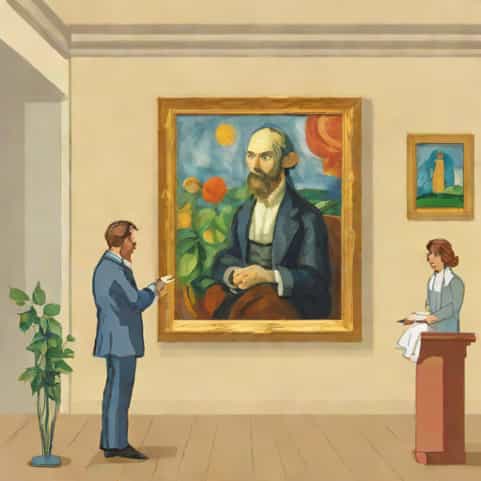
The first Impressionist exhibition marked a radical shift in the world of art, challenging centuries of academic tradition and opening the door to modern artistic expression. Held in Paris in 1874, this groundbreaking event brought together a group of painters who sought to capture the fleeting effects of light, color, and atmosphere, rejecting the rigid rules imposed by the French Academy. Artists such as Claude Monet, Pierre-Auguste Renoir, Camille Pissarro, and Edgar Degas presented works that emphasized spontaneity, brushstroke, and perception over idealized form. The exhibition, though controversial at the time, became a defining moment in art history, laying the foundation for Impressionism as a revolutionary movement that continues to influence visual arts today.
Background The Art Scene Before Impressionism
In the mid-19th century, the French art world was dominated by the Academy, which dictated standards of artistic excellence through formal training, official salons, and a focus on history painting. Academic art favored polished techniques, idealized figures, and moral or historical narratives. Artists were expected to conform to these strict guidelines to achieve recognition and success. However, a group of avant-garde painters grew dissatisfied with the constraints of the Academy, seeking to explore new ways of seeing and representing the world. Their rebellion against tradition set the stage for the first Impressionist exhibition.
Formation of the Impressionist Group
The artists who would become known as the Impressionists initially found it difficult to gain acceptance in the official Salon, which rejected or criticized many of their works. In response, they decided to organize independent exhibitions outside the control of the Academy. This collective included Claude Monet, Pierre-Auguste Renoir, Camille Pissarro, Alfred Sisley, Edgar Degas, and Berthe Morisot, among others. By banding together, they created a platform where they could freely experiment with innovative techniques and unconventional subject matter, ultimately shaping the identity of Impressionism.
The 1874 Exhibition Breaking Tradition
The first Impressionist exhibition was held in April 1874 at the former studio of the photographer Nadar in Paris. The exhibition featured 165 works from 30 artists, showcasing landscapes, urban scenes, and everyday life rendered in a loose, vibrant style. The works emphasized the effects of light and color, with visible brushstrokes and an emphasis on capturing a moment rather than producing a meticulously finished painting. Unlike the formal compositions of academic art, these paintings often depicted ordinary subjects such as rivers, gardens, cafes, and leisure activities, reflecting modern life with immediacy and freshness.
Key Artists and Works
Claude Monet, whose painting Impression, Sunrise would give the movement its name, presented a series of landscapes that captured the transient quality of light and atmosphere. Pierre-Auguste Renoir showcased scenes of Parisian social life, emphasizing color and movement over detail. Edgar Degas contributed depictions of dancers and urban interiors, blending impressionistic techniques with a keen sense of composition. Camille Pissarro focused on rural and urban landscapes, experimenting with perspective and texture. Berthe Morisot, one of the few women in the group, offered intimate domestic scenes that combined sensitivity with technical innovation. Together, these works reflected the diversity and daring of the emerging movement.
Public Reception and Criticism
The first Impressionist exhibition sparked immediate controversy and polarized audiences. Critics ridiculed the loose brushwork, unfinished appearance, and perceived lack of skill, coining terms like Impressionists in a mocking tone. Some journalists described the paintings as chaotic or crude, questioning the legitimacy of the artists as professionals. However, others recognized the originality and vitality of the works, praising the innovative use of color, light, and perspective. Despite the mixed reception, the exhibition drew significant public attention and established the Impressionists as a force capable of challenging conventional artistic norms.
Impact on the Art Market
While the first exhibition did not result in immediate commercial success, it created a new model for artistic independence. By organizing their own shows, the Impressionists bypassed traditional gatekeepers and directly engaged with collectors and the public. This approach allowed them to experiment freely and attract patrons who appreciated their innovative vision. Over time, the market for Impressionist works grew, eventually establishing many of the artists as leading figures in modern art.
Legacy of the First Exhibition
The first Impressionist exhibition had a profound and lasting impact on the art world. It challenged traditional notions of beauty, technique, and subject matter, paving the way for new movements such as Post-Impressionism, Fauvism, and Modernism. The exhibition demonstrated that art could reflect contemporary life and personal perception rather than adhering to prescribed academic standards. By emphasizing light, color, and the fleeting nature of experience, the Impressionists inspired generations of artists to explore innovative approaches and embrace individuality in artistic expression.
Influence on Future Movements
The techniques and ideas showcased in the 1874 exhibition influenced numerous subsequent movements. Post-Impressionist artists like Vincent van Gogh and Paul Cézanne built upon the Impressionists’ exploration of color and brushwork while developing their own unique styles. Fauvist painters experimented with bold color and expressive form, extending the freedom introduced by the Impressionists. Even contemporary art continues to reflect the principles of spontaneity, personal perception, and experimentation that were central to the first exhibition.
Cultural Significance
The first Impressionist exhibition also marked a broader cultural shift. By portraying modern life and ordinary scenes, the artists reflected changing social dynamics, urbanization, and the experiences of everyday people. The emphasis on personal vision and emotional response resonated with audiences seeking art that was relevant and relatable. The exhibition underscored the value of creativity, innovation, and artistic risk-taking, establishing Impressionism as both an artistic and cultural milestone.
The first Impressionist exhibition of 1874 represents a turning point in the history of art, demonstrating the power of innovation, independence, and personal expression. Through the works of Monet, Renoir, Degas, Pissarro, Morisot, and their peers, the exhibition challenged academic conventions and introduced a new visual language centered on light, color, and perception. Despite initial criticism and controversy, the exhibition laid the foundation for Impressionism’s lasting influence, inspiring generations of artists and reshaping the cultural landscape. Today, the 1874 exhibition is remembered as a bold declaration of artistic freedom and a defining moment in the evolution of modern art.