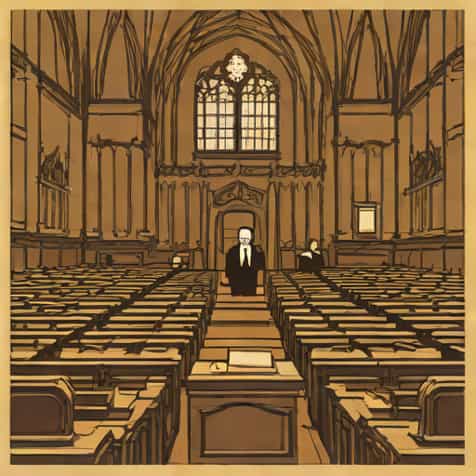
The Speaker of the House of Commons is one of the most important and visible figures in the British parliamentary system, responsible for maintaining order, ensuring fair debate, and representing the House in its relations with the Crown and other authorities. This role combines ceremonial duties with significant procedural authority, making the Speaker central to the functioning of the UK Parliament. Understanding the responsibilities, history, and influence of the Speaker helps clarify how the House of Commons operates and maintains its democratic processes, while also balancing the rights of individual Members of Parliament (MPs) and the overall efficiency of legislative business.
Role and Responsibilities of the Speaker
The Speaker’s primary duty is to preside over debates in the House of Commons, ensuring that all MPs have a fair opportunity to speak and that parliamentary rules are upheld. By remaining impartial, the Speaker allows members from all political parties to participate in discussions while maintaining the orderly conduct of proceedings. This role requires a deep understanding of parliamentary procedure, quick decision-making, and the ability to manage conflicts that may arise during heated debates.
Maintaining Order in the House
One of the Speaker’s most critical responsibilities is maintaining order during debates. MPs are expected to follow the rules of decorum, and the Speaker has the authority to intervene if discussions become disorderly. This may include calling members to order, directing them to sit down, or even suspending debates temporarily in extreme cases. By enforcing rules consistently, the Speaker ensures that legislative business proceeds smoothly and that all voices can be heard without chaos disrupting the process.
Ensuring Impartiality
Unlike other MPs, the Speaker must act without political bias. Upon election to the position, the Speaker renounces party affiliation and refrains from participating in political debates or voting, except in the case of a tie, where they cast the deciding vote according to established conventions. This impartiality is essential to maintaining the trust of all members and upholding the integrity of parliamentary proceedings.
Ceremonial and Representative Duties
In addition to managing debates, the Speaker performs ceremonial duties and represents the House of Commons in official capacities. This includes greeting foreign dignitaries, attending state events, and liaising with the monarch. The Speaker also plays a role in parliamentary administration, overseeing staff and managing logistical aspects of the House to ensure effective operation.
Interaction with the Monarch
The Speaker serves as the official intermediary between the House of Commons and the monarch. For instance, during the State Opening of Parliament, the Speaker formally conveys the Commons’ address to the monarch and participates in ceremonial events. This symbolic function emphasizes the Speaker’s role in balancing the powers of Parliament with the traditions of the British monarchy.
Election and Tenure of the Speaker
The Speaker is elected by Members of Parliament through a secret ballot. Any MP may be nominated, but once elected, the Speaker is expected to resign from their party and remain politically neutral. There is no fixed term, and the Speaker serves until they resign, retire, or are replaced following a general election. If re-elected as an MP, the Speaker typically stands unopposed by major parties to maintain impartiality and continuity.
Election Process
- MPs nominate candidates for the role of Speaker.
- A series of ballots is conducted if multiple candidates are nominated.
- The winning candidate must receive a majority of votes from MPs.
- Upon election, the Speaker formally accepts the position and assumes neutrality.
Historical Significance
The office of the Speaker has a long history dating back to the 14th century, evolving from a position designed to communicate between Parliament and the monarch into a powerful arbiter of parliamentary procedure. Historical Speakers often faced significant risks in balancing the interests of Parliament and the Crown, particularly during times of political conflict. Over centuries, the role has become a cornerstone of parliamentary democracy in the United Kingdom.
Notable Speakers in History
Several Speakers have left a lasting mark on British history. William Lenthall, for example, famously asserted the independence of the House of Commons during the English Civil War. More recent figures have strengthened procedural reforms, modernized parliamentary administration, and enhanced transparency, contributing to the efficient operation of the House and public confidence in its processes.
Powers of the Speaker
The Speaker holds several formal powers that allow them to regulate debate, protect the rights of MPs, and ensure the efficient passage of legislation. These powers include selecting which members may speak, determining the order of business, and interpreting procedural rules. Additionally, the Speaker can discipline members who violate the rules and make decisions on points of order raised during sessions.
Casting Vote
While the Speaker remains neutral, they may cast a deciding vote in the event of a tie. In such cases, tradition dictates that the vote is cast in a way that allows further debate or maintains the status quo. This subtle yet critical power ensures fairness while respecting the principles of parliamentary procedure.
Committee Oversight
The Speaker also plays a role in the formation and oversight of parliamentary committees, which are responsible for scrutinizing legislation, government policies, and public issues. By guiding committee structures and memberships, the Speaker ensures balanced representation and effective legislative oversight.
Challenges Faced by the Speaker
Serving as Speaker comes with significant challenges, including managing conflicts between MPs, addressing disruptive behavior, and maintaining impartiality under intense political pressure. The Speaker must navigate complex parliamentary rules while balancing the diverse interests of party members, the government, and the public. Additionally, modern media scrutiny adds pressure to uphold transparency and fairness in every decision.
Dealing with Disorder
When debates become heated, the Speaker must intervene tactfully to restore order without appearing partisan. This requires diplomacy, knowledge of parliamentary law, and the ability to make quick, authoritative decisions.
Maintaining Neutrality
Remaining impartial in a highly politicized environment is a constant challenge. The Speaker must avoid actions or statements that could be interpreted as favoring one party, ensuring that trust in the fairness of parliamentary proceedings is maintained.
The Speaker of the House of Commons is a central figure in the UK’s parliamentary system, combining procedural authority, ceremonial duties, and impartial leadership. By managing debates, maintaining order, and representing the House, the Speaker ensures that Parliament functions effectively and democratically. The position carries historical significance, formal powers, and modern challenges, all of which contribute to its critical role in British governance. Understanding the Speaker’s responsibilities, election process, and influence provides valuable insight into how the House of Commons operates and how democratic principles are upheld within the legislative process.