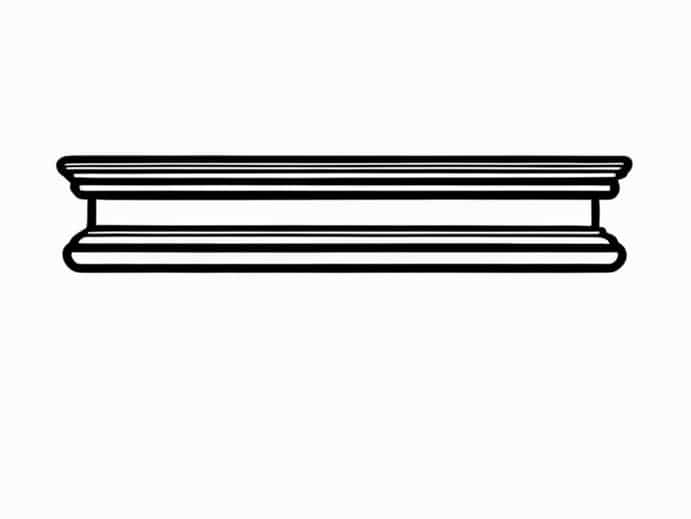
When it comes to interior design, even the smallest details can transform a room from plain to elegant. One such detail is the ceiling cornice, a decorative molding that creates a smooth transition between the walls and the ceiling. For centuries, ceiling cornices have been used not only to hide imperfections where two surfaces meet but also to enhance the beauty and character of interiors. Understanding the different types of ceiling cornice is essential for homeowners, designers, and builders who want to achieve the perfect balance between function and style.
What is a Ceiling Cornice?
A ceiling cornice is a strip of decorative molding placed at the junction of a wall and ceiling. Its main purpose is to provide a finished look, covering any uneven joints while adding depth and style to a room. While some cornices are plain and simple, others are highly ornamental, featuring patterns and intricate details. Today, cornices come in a wide range of materials, designs, and finishes, allowing them to complement both modern and traditional interiors.
Different Types of Ceiling Cornice
The choice of ceiling cornice depends on the design theme of the room, the height of the ceiling, and the overall aesthetic you wish to achieve. Below are the main types of ceiling cornices commonly used in homes and commercial spaces.
1. Plain Cornice
Plain cornices are simple, clean, and minimalist. They are typically smooth with no decorative patterns, making them ideal for modern interiors where simplicity and sleek design are preferred. These cornices blend seamlessly with walls and ceilings, creating a polished yet understated look.
- Perfect for contemporary and minimalist designs.
- Easy to install and maintain.
- Works well in small rooms where heavy ornamentation may feel overwhelming.
2. Decorative Cornice
Decorative cornices feature patterns, curves, and intricate details. These can range from classical motifs like leaves and flowers to more geometric or abstract designs. Decorative cornices are popular in traditional interiors, adding grandeur and elegance to living spaces.
- Common in Victorian, Georgian, and classical-style homes.
- Adds depth and visual interest to a room.
- Best suited for rooms with high ceilings.
3. Step Cornice
Step cornices, also known as modern stepped designs, consist of straight lines arranged in a layered or tiered style. This type of cornice is perfect for modern and contemporary spaces, as it emphasizes clean geometry without being too plain.
- Creates a sleek, architectural finish.
- Works well with modern lighting designs.
- Can be subtle or bold, depending on the number of steps used.
4. Cove Cornice
A cove cornice is characterized by its concave profile, curving smoothly from wall to ceiling. It provides a soft, rounded transition that enhances the flow of a room. This style works in both modern and traditional settings.
- Ideal for creating a soft, elegant finish.
- Often used in bedrooms and living rooms for a cozy feel.
- Pairs beautifully with ambient lighting effects.
5. Egg and Dart Cornice
The egg and dart cornice is a classic design featuring a repeating pattern of oval shapes (eggs) and pointed elements (darts). This ornamental design has been popular since ancient Greek and Roman times, adding a sense of tradition and luxury to interiors.
- Best for heritage homes and classical interiors.
- Highly decorative, making it a focal point in a room.
- Suitable for dining rooms, libraries, and formal living spaces.
6. Dentil Cornice
Dentil cornices are defined by their small, evenly spaced rectangular blocks that resemble teeth. This style originates from classical architecture and remains a popular choice for traditional homes that seek a formal, structured look.
- Symbol of classic architectural detailing.
- Works well with other decorative features like paneling.
- Common in stately homes and traditional properties.
7. Shadowline Cornice
Shadowline cornices are a modern alternative where a recessed gap is left between the wall and ceiling to create a shadow effect. Unlike traditional cornices, this type emphasizes minimalism and architectural precision.
- Perfect for ultra-modern and minimalist spaces.
- Gives the illusion of floating ceilings.
- Often used in open-plan living areas.
Materials Used for Ceiling Cornices
The type of material chosen for ceiling cornices impacts both the appearance and durability of the finish. Common materials include
- PlasterTraditional, durable, and ideal for intricate designs.
- PolystyreneLightweight, cost-effective, and easy to install.
- PolyurethaneVersatile, durable, and resistant to moisture.
- TimberWarm and natural, suitable for rustic or classic designs.
Choosing the Right Type of Ceiling Cornice
Selecting the right type of cornice depends on several factors, including the room’s ceiling height, interior design style, and budget. High ceilings can accommodate more ornate cornices, while smaller rooms benefit from plain or cove designs. For modern interiors, step and shadowline cornices are excellent choices, while traditional homes often suit dentil or egg and dart styles.
Tips for Selection
- Match the cornice style with the overall theme of your home.
- Consider ceiling height before choosing heavy ornamentation.
- Use lightweight materials for ease of installation in DIY projects.
- Combine lighting with certain cornice types for added effect.
Installation and Maintenance
Installing a ceiling cornice requires precision to ensure a smooth fit at the junction of walls and ceilings. Professional installers can achieve seamless results, but lightweight materials like polystyrene are suitable for DIY projects. Maintenance is generally minimal, requiring only occasional cleaning to remove dust or repainting if the cornice is plaster-based.
Ceiling cornices are more than just decorative trims; they are architectural details that enhance the character and style of a space. With options ranging from plain and simple designs to ornate and classical patterns, there is a type of ceiling cornice suitable for every interior. Whether you choose the understated elegance of a cove cornice, the modern geometry of a step cornice, or the grandeur of a dentil design, the right cornice can elevate your home’s aesthetic while serving its functional purpose. By exploring the various types of ceiling cornices, homeowners and designers can make informed decisions that blend beauty, practicality, and timeless appeal.