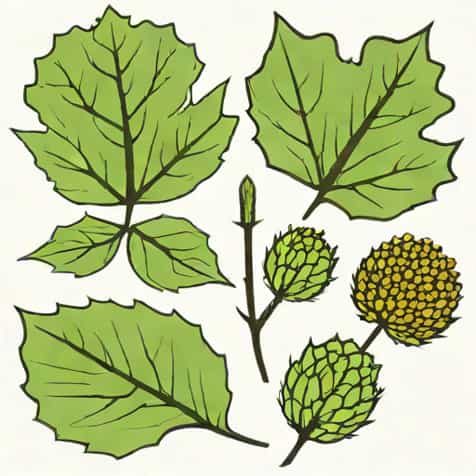
Burdock is a plant that has been valued for centuries in traditional medicine, cooking, and natural remedies. While its root is often the most recognized part, burdock leaves also hold significant importance. They are large, green, and slightly bitter, offering a wide range of uses that extend from culinary applications to herbal remedies and even topical treatments. Understanding the many uses for burdock leaves can help people incorporate them into daily life in a safe and practical way. From healing traditions to modern practices, these versatile leaves remain a resource for health and wellness.
Culinary Uses for Burdock Leaves
Burdock leaves can be used in cooking, though they are not as commonly consumed as the root. Their taste is slightly bitter and earthy, but with the right preparation, they can enhance meals.
Cooking as Leafy Greens
Young burdock leaves can be cooked in a similar way to spinach or kale. Because of their bitterness, they are often blanched before being sautéed or stir-fried. Adding garlic, sesame oil, or soy sauce can balance the flavor and create a nutrient-rich side dish.
Wrapping and Steaming
Due to their size and flexibility, burdock leaves make excellent natural wrappers. They can be used to encase rice, fish, or meat before steaming, infusing the food with a unique earthy taste. This method has been used in various folk cuisines, similar to how grape leaves are used in Mediterranean cooking.
Herbal Teas
Though burdock root tea is more well-known, dried burdock leaves can also be steeped in hot water. The tea is mildly bitter and often combined with honey or lemon to soften the flavor. Many people drink it as a gentle detox beverage.
Medicinal Uses in Traditional Remedies
Burdock leaves have long been part of herbal medicine systems, especially in Asia and Europe. Their healing properties are still recognized by herbalists today.
Topical Poultices
Fresh burdock leaves have been applied directly to the skin for centuries. They are used as poultices to relieve burns, rashes, insect bites, and minor wounds. The natural compounds in the leaves are believed to reduce inflammation and promote healing.
Detoxification Support
In traditional medicine, burdock is known for its cleansing properties. Burdock leaf infusions are sometimes taken internally to support the liver, kidneys, and digestive system. The bitter taste of the leaves stimulates digestive juices, which may help improve overall digestion and metabolism.
Fever and Cold Relief
Some traditional healers use burdock leaf preparations to help reduce fever and soothe symptoms of colds. While not a substitute for medical treatment, these remedies highlight the historical trust placed in the plant’s natural properties.
Topical Applications Beyond Medicine
Beyond healing wounds, burdock leaves have been used for various skin and hair-related purposes.
Skin Soothing Wraps
Burdock leaves can be softened in hot water and placed over irritated skin to reduce itching and redness. This natural wrap has been used for eczema, psoriasis, and dry skin conditions.
Scalp and Hair Health
Infused burdock leaves in oil or water are sometimes applied to the scalp. This practice is believed to strengthen hair, reduce dandruff, and maintain overall scalp health. Combined with burdock root oil, the leaves form part of many folk remedies for hair care.
Uses for Burdock Leaves in Everyday Living
Aside from food and medicine, burdock leaves have found practical uses in daily life.
Natural Insect Repellent
Fresh burdock leaves, when rubbed on the skin, are said to help deter mosquitoes and insects. While not as strong as commercial repellents, they offer a natural alternative for short-term protection.
Gardening and Composting
Burdock leaves break down quickly and enrich compost piles with nutrients. Their size also makes them useful as natural mulch, helping to retain soil moisture and suppress weeds in gardens.
Animal Care
In rural traditions, burdock leaves have been used as bedding for animals or applied as wraps to soothe livestock injuries. Their availability and softness made them a natural choice for such tasks.
Nutritional Value of Burdock Leaves
Although less commonly eaten than the root, burdock leaves provide several beneficial nutrients. They contain vitamins such as vitamin C, vitamin K, and some B vitamins, as well as minerals like calcium, magnesium, and potassium. The bitter compounds present in the leaves also support digestion and liver function, aligning with their traditional uses.
How to Prepare Burdock Leaves Safely
Because burdock leaves are naturally bitter, they require proper preparation for culinary use.
- Harvest young leavesMature leaves tend to be too tough and bitter.
- Blanch before cookingBriefly boiling the leaves helps reduce bitterness.
- Combine with other flavorsUse garlic, lemon, miso, or soy to balance the earthy taste.
- Dry for storageDrying burdock leaves allows them to be used later for teas or topical remedies.
Cautions and Considerations
Although burdock leaves have many uses, they should be approached with some caution.
- People allergic to daisies or ragweed may also react to burdock.
- Pregnant and breastfeeding women are often advised to avoid strong burdock preparations.
- Individuals with health conditions or those taking medications should consult a healthcare provider before using burdock leaves medicinally.
These precautions ensure that burdock leaves are used safely and effectively without unintended side effects.
Modern Interest in Burdock Leaves
In recent years, there has been a growing interest in natural remedies and foraged foods. Burdock leaves have re-emerged as a topic of interest among herbalists, gardeners, and people seeking alternative wellness solutions. Their versatility makes them appealing to those who appreciate both traditional knowledge and sustainable living practices.
Burdock leaves, though often overlooked in favor of the root, provide a wide variety of uses. They can be eaten, brewed into teas, applied to the skin, and even used around the home and garden. Their role in traditional medicine highlights their healing potential, while their nutritional benefits make them a valuable addition to certain meals. By understanding the many uses for burdock leaves, individuals can rediscover an age-old plant resource that continues to prove its worth in modern times. With proper preparation and awareness, burdock leaves can become a useful part of daily life, blending natural wellness with practical applications.
Word count ~1008