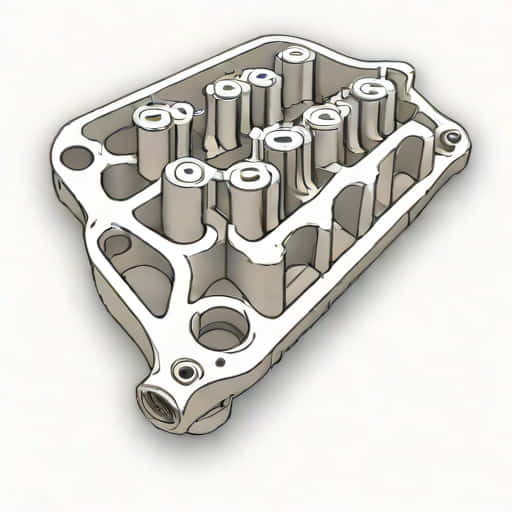
The variable intake manifold is an innovative component in modern internal combustion engines that has significantly improved engine efficiency, performance, and fuel economy. Unlike traditional intake manifolds with fixed lengths, a variable intake manifold adjusts the path and length of the air entering the engine cylinders, allowing the engine to operate optimally across a wide range of speeds and loads. This technology has become increasingly common in both gasoline and diesel engines, helping manufacturers meet stricter emission standards while enhancing drivability. By carefully controlling airflow, a variable intake manifold can improve torque at low engine speeds, increase power at high speeds, and reduce fuel consumption. Understanding how this system works and its benefits provides valuable insight into modern automotive engineering.
How a Variable Intake Manifold Works
A variable intake manifold works by changing the length of the air passages leading to the engine’s cylinders. At lower engine speeds, a longer intake path helps increase air velocity, which improves cylinder filling and boosts torque. At higher speeds, a shorter path reduces airflow resistance, allowing more air to enter the cylinders quickly, which increases engine power. The system typically uses a series of valves or flaps inside the manifold that adjust automatically based on engine speed, throttle position, or load. Some advanced designs use electronic actuators to control these changes with high precision, ensuring the engine receives the right amount of air at the right time.
Components of a Variable Intake Manifold
The main components of a variable intake manifold include
- Intake runners These are the channels through which air flows into the engine cylinders. The length of these runners can be altered to optimize performance.
- Control valves or flaps These adjust the path of airflow, switching between long and short routes depending on engine demands.
- Electronic or vacuum actuators These devices operate the control valves, either electronically through the engine control unit (ECU) or mechanically using vacuum pressure.
- Sensors Modern systems use sensors to monitor engine speed, throttle position, and airflow, ensuring precise timing of manifold adjustments.
Benefits of Using a Variable Intake Manifold
The use of a variable intake manifold provides multiple advantages for both drivers and manufacturers. By adjusting airflow dynamically, the system improves engine performance, fuel efficiency, and emissions control.
Improved Torque and Power
One of the main benefits is enhanced engine torque at lower speeds and increased power at higher speeds. The longer intake path at low RPMs helps the engine produce more torque, making acceleration smoother and more responsive. At higher RPMs, the shorter intake path allows more air to reach the cylinders quickly, maximizing horsepower for high-speed performance.
Fuel Efficiency and Emissions
Variable intake manifolds contribute to better fuel economy by optimizing the air-fuel mixture. When the engine receives the right amount of air for each operating condition, combustion becomes more efficient, reducing fuel consumption. This also helps lower harmful emissions, including carbon monoxide and nitrogen oxides, making vehicles more environmentally friendly.
Smoother Engine Operation
Because the system adjusts airflow to match engine speed and load, it reduces engine knocking and improves overall drivability. The vehicle responds more predictably to throttle inputs, enhancing comfort for the driver and passengers.
Types of Variable Intake Manifolds
There are several designs of variable intake manifolds, each with its own advantages and applications. The main types include
Dual-Path Manifolds
These use two separate airflow paths – one long and one short – that switch depending on engine speed. At low RPM, the longer path is used to improve torque, while at high RPM, the shorter path maximizes power. This design is simple and widely used in both performance and everyday vehicles.
Continuously Variable Manifolds
In this design, the intake path length changes continuously rather than switching between fixed lengths. This allows for more precise control of airflow and better optimization of performance across all engine speeds. Continuously variable manifolds are more complex but offer superior efficiency and power delivery.
Tunable Manifolds
Some high-performance engines feature tunable variable intake manifolds that can be adjusted manually or electronically to match specific driving conditions or performance requirements. These systems are often found in sports cars and racing vehicles where maximizing airflow at different engine speeds is critical.
Maintenance and Common Issues
While variable intake manifolds are generally reliable, they can face problems over time. Common issues include
- Carbon buildup Over time, carbon deposits can form on intake valves or inside runners, reducing airflow efficiency.
- Valve or flap failure The moving parts that control airflow may wear out or get stuck, affecting engine performance.
- Actuator malfunction Electronic or vacuum actuators can fail, preventing proper adjustment of the manifold.
Regular maintenance, such as cleaning the intake system and checking for vacuum leaks, helps ensure the variable intake manifold continues to perform optimally.
Applications in Modern Engines
Variable intake manifolds are used in a wide range of vehicles, from everyday passenger cars to high-performance sports cars. They are particularly useful in engines that aim to balance fuel efficiency with power, such as turbocharged engines and hybrid powertrains. Manufacturers use this technology to meet stricter emissions regulations without compromising performance, making it an important feature in modern automotive design.
Integration with Engine Control Systems
The variable intake manifold works closely with the engine control unit (ECU) to adjust airflow in real-time. Sensors provide feedback on engine speed, load, and throttle position, allowing the ECU to determine the optimal manifold configuration. This integration ensures smooth transitions between different airflow paths and maximizes both efficiency and performance.
The variable intake manifold is a crucial innovation in modern engine technology, providing significant improvements in performance, efficiency, and emissions. By dynamically adjusting the air path to match engine demands, it ensures optimal airflow across all driving conditions. Whether in daily commuting vehicles or high-performance sports cars, this technology enhances torque, power, and fuel economy while contributing to smoother engine operation. As automotive technology continues to advance, variable intake manifolds remain a key component in achieving the balance between power and efficiency, demonstrating the ingenuity and engineering sophistication behind modern engines.