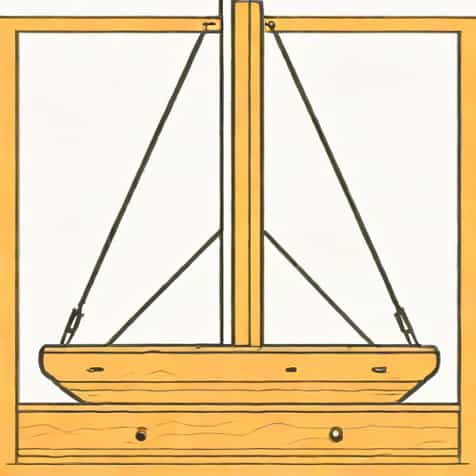
Understanding the components of a sailboat is essential for both beginners and experienced sailors, and one such component that often raises questions is the centerboard. A centerboard is a retractable keel located along the centerline of a sailboat’s hull that plays a crucial role in stability, maneuverability, and performance. Unlike fixed keels, centerboards can be raised or lowered depending on water depth and sailing conditions. This ability makes centerboard-equipped sailboats versatile, allowing them to navigate shallow waters while maintaining stability and directional control. Knowing what a centerboard is and how it functions can enhance your sailing experience, safety, and appreciation for sailboat design.
Definition and Purpose of a Centerboard
A centerboard is essentially a flat, pivoting or sliding board that extends downward from the hull of a sailboat. Its main purpose is to provide lateral resistance against the force of the wind on the sails. Without a centerboard or similar structure, the wind would push the boat sideways, making it difficult to sail upwind or maintain a straight course. By lowering the centerboard into the water, sailors increase the underwater surface area, helping the boat move forward efficiently and resist sideways drift, which is also known as leeway.
Key Functions of a Centerboard
- StabilityHelps prevent excessive tipping or heeling of the sailboat.
- Lateral ResistanceReduces sideways movement caused by wind.
- ManeuverabilityEnhances the ability to change direction and tack efficiently.
- VersatilityCan be retracted to navigate shallow waters or for beaching the boat safely.
Types of Centerboards
Centerboards come in different designs depending on the size and purpose of the sailboat. While the basic function remains the same, the mechanisms and materials can vary. Understanding these types helps sailors select and operate their boats more effectively.
Pivoting Centerboard
This type of centerboard rotates around a pivot point inside the hull. It can be raised or lowered by adjusting the angle of rotation. Pivoting centerboards are common on small dinghies and day sailers. They offer simple operation and are easy to maintain.
Sliding or Lifting Centerboard
Sliding centerboards move vertically within a trunk or casing built into the hull. These are often raised or lowered using a line or mechanical winch. Sliding centerboards are preferred on slightly larger sailboats as they allow precise control over the depth of the board, optimizing performance based on wind and water conditions.
Materials Used
Traditionally, centerboards were made of wood, which provided adequate strength and durability. Modern sailboats often use fiberglass, aluminum, or composite materials to reduce weight, increase strength, and minimize maintenance. The choice of material can affect the boat’s handling and performance, as heavier boards provide more stability but may be harder to lift, while lighter boards are easier to adjust but offer less resistance.
How a Centerboard Works
The function of a centerboard relies on basic principles of hydrodynamics. When the centerboard is lowered into the water, it creates an underwater foil that resists lateral movement. This resistance allows the boat to convert more of the wind’s energy into forward motion rather than sideways drift. By adjusting the position of the centerboard, sailors can balance the boat, improve speed, and maneuver more effectively in various wind and water conditions.
Adjusting the Centerboard
- Lower the centerboard fully when sailing upwind to minimize sideways drift.
- Raise the centerboard partially in moderate conditions to reduce drag and increase speed.
- Retract the centerboard completely when entering shallow water, docking, or beaching.
- Adjust incrementally during tacking or changing direction to maintain balance and stability.
Centerboard vs. Keel
It is important to differentiate a centerboard from a fixed keel, as both serve similar purposes but have distinct characteristics. A fixed keel is permanently attached to the bottom of the hull and usually contains ballast to enhance stability. While keels provide excellent resistance to sideways movement and improve upwind performance, they limit the boat’s ability to sail in shallow waters. Centerboards, on the other hand, are retractable, offering greater versatility for shallow areas or transportation, but they generally do not provide as much inherent stability as weighted keels. Sailors choose between these based on the type of sailing they plan to do, the waters they will navigate, and the desired performance characteristics.
Advantages of a Centerboard
Centerboards provide several advantages that make them appealing for recreational and small-to-medium sailboats. Their retractable nature allows for versatility in a wide range of conditions, and they improve both performance and safety when used properly.
Key Advantages
- Ability to sail in shallow waters or close to shore.
- Improved upwind performance by reducing leeway.
- Reduced risk of damage when grounding, since the board can be retracted.
- Ease of transport and storage, particularly for trailerable sailboats.
- Flexible control over balance and speed during sailing.
Challenges and Maintenance
While centerboards are highly functional, they do require regular maintenance to ensure smooth operation. The trunk or pivot mechanism must be kept clean and free of debris to avoid sticking or jamming. Additionally, inspecting the board for cracks, corrosion, or wear is important, especially on older boats. Proper maintenance ensures the centerboard operates safely and extends the life of the boat’s sailing capabilities.
Maintenance Tips
- Clean the centerboard trunk regularly to prevent sand, dirt, or marine growth from causing obstruction.
- Lubricate pivot points or sliding tracks to allow smooth raising and lowering.
- Inspect for structural damage, particularly in wooden or composite boards.
- Store the boat properly to prevent warping, corrosion, or exposure to harsh weather.
When and How to Use a Centerboard Effectively
Effective use of a centerboard depends on understanding sailing conditions and the boat’s design. Lowering the board fully is usually recommended when sailing against the wind, while raising it partially or fully can be advantageous in downwind conditions or shallow areas. Adjusting the centerboard correctly improves balance, reduces drag, and enhances speed. Observing how the boat responds to different positions helps sailors refine their technique over time.
Practical Tips for Sailors
- Lower the centerboard completely in windy or rough conditions to stabilize the boat.
- Use partial adjustments when maneuvering in calm conditions for better speed.
- Retract the centerboard before approaching docks or shallow waters to prevent damage.
- Combine centerboard adjustment with sail trimming to optimize performance.
A centerboard on a sailboat is a vital component that enhances stability, maneuverability, and versatility. Its retractable design allows sailors to adapt to shallow waters, improve upwind performance, and maintain control in various conditions. By understanding how a centerboard works, the differences between centerboards and keels, and the proper techniques for adjustment, sailors can maximize both safety and performance. Regular maintenance ensures longevity and smooth operation, while strategic use in different sailing conditions provides an optimal experience on the water. Whether you are a beginner or an experienced sailor, mastering the function and management of a centerboard is essential to enjoying the full capabilities of your sailboat.