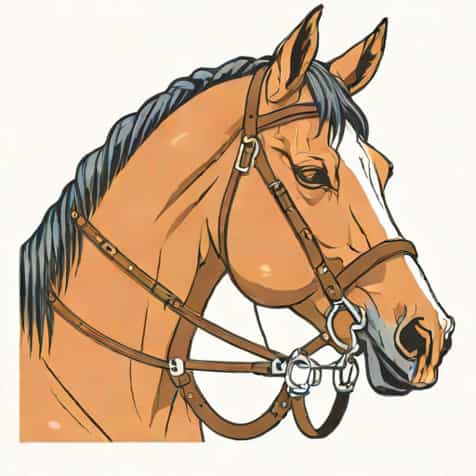
A double bridle is a specialized piece of equestrian equipment used in advanced horse riding disciplines, particularly in dressage and classical riding. Unlike a single bridle, which has one bit, a double bridle combines two separate bits – the snaffle and the curb – along with two sets of reins, giving the rider greater control and refinement over the horse’s movements. This type of bridle allows for nuanced communication between rider and horse, enabling subtle adjustments in balance, collection, and responsiveness. Understanding what a double bridle is involves exploring its components, proper usage, training requirements, and its significance in equestrian sports.
Definition and Components of a Double Bridle
A double bridle is essentially a bridle that incorporates two bits and two sets of reins. It is designed for horses that are already trained and responsive to basic commands, as the additional control requires skill and finesse from the rider. The primary components include
- Snaffle BitAlso known as the bridoon, the snaffle bit applies direct pressure to the corners of the horse’s mouth and is used for guiding and steering.
- Curb BitThe curb bit exerts leverage pressure on the horse’s poll, chin, and mouth, allowing for subtle adjustments in head carriage and collection.
- Bridle StrapsThe headstall, cheekpieces, and throatlatch secure both bits in place while ensuring comfort for the horse.
- Two Sets of ReinsOne set attaches to the snaffle bit and the other to the curb bit, giving the rider the ability to apply independent pressure for refined cues.
Purpose and Advantages
The double bridle provides several benefits when used correctly. It allows the rider to communicate with the horse in a more detailed and precise manner, which is particularly important in high-level dressage movements and advanced equestrian competitions. Some advantages include
- Enhanced CommunicationRiders can give subtle cues for head position, collection, and movement transitions.
- Improved ControlThe combination of snaffle and curb bits provides leverage, making it easier to maintain balance and discipline in strong or sensitive horses.
- Refined PerformanceDouble bridles are often used in competitions to demonstrate advanced training, responsiveness, and elegance of the horse.
- Training AidWhen introduced appropriately, a double bridle can help develop a horse’s suppleness, flexibility, and acceptance of rein aids.
Proper Use and Riding Techniques
Riding with a double bridle requires significant skill, as incorrect use can cause discomfort or confusion for the horse. Riders must have a firm understanding of rein balance, hand position, and timing of aids. Key considerations include
- Independent Rein HandlingRiders must be able to manage the snaffle and curb reins independently, using minimal pressure to achieve the desired response.
- Light ContactExcessive force can harm the horse’s mouth or poll, so maintaining soft, consistent contact is essential.
- Gradual IntroductionHorses should only be introduced to a double bridle once they are confident with a single bridle and trained in collection and responsiveness.
- Balanced PositionRiders must maintain proper posture and alignment to ensure even distribution of pressure and avoid confusing cues.
Training Considerations
Introducing a horse to a double bridle should be approached with patience and care. Trainers often follow a step-by-step process to ensure the horse accepts the additional bit and reins without resistance. Important aspects of training include
- Familiarizing the horse with the feel of the curb bit without applying leverage initially.
- Practicing short sessions with gentle rein cues to encourage acceptance and responsiveness.
- Gradually increasing the use of the curb rein to refine head carriage and collection.
- Monitoring the horse’s comfort and avoiding tension, stress, or signs of discomfort.
Significance in Dressage and Competitions
In dressage, a double bridle is often required or recommended for higher-level tests. Its use demonstrates the horse’s training level and the rider’s skill in subtle communication. Judges may assess the horse’s ability to maintain balance, elegance, and responsiveness under the refined cues of a double bridle. Some aspects of significance include
- Facilitates advanced movements such as piaffe, passage, and collected canter.
- Allows precise adjustments to impulsion, rhythm, and head carriage.
- Indicates a horse is trained to accept complex rein aids without resistance.
- Reflects the rider’s experience, hand coordination, and understanding of biomechanics.
Common Mistakes and Precautions
While a double bridle can enhance performance, improper use can lead to problems. Common mistakes include
- Applying excessive force, which can injure the horse’s mouth or poll.
- Using the curb rein exclusively without balance from the snaffle rein.
- Introducing the double bridle too early in the horse’s training journey.
- Poor adjustment of bridle straps, causing discomfort or improper fit.
To avoid these issues, riders should seek guidance from experienced trainers, ensure proper fit of the bridle, and gradually introduce the horse to double rein cues.
A double bridle is an advanced equestrian tool designed to provide refined communication between horse and rider. It combines a snaffle bit, curb bit, and two sets of reins, allowing precise adjustments to balance, collection, and responsiveness. While it offers numerous advantages in dressage and competitive riding, proper use, training, and rider skill are crucial to ensure the horse’s comfort and effective performance. Understanding what a double bridle is, how it functions, and its significance in equestrian sports is essential for any serious rider aiming to achieve high levels of harmony and control in their horse.