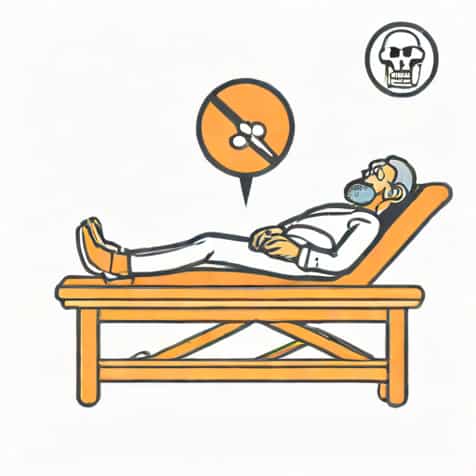
The term apoplexy is often encountered in older death records, historical documents, and literature, leaving many people wondering what it actually means as a cause of death. When someone asks what is apoplexy as cause of death, they are usually trying to understand a medical term that is no longer commonly used in modern diagnoses. Apoplexy refers to a sudden loss of consciousness or sudden death caused by bleeding or interruption of blood flow in the brain. While the word may sound unfamiliar today, the condition it describes is closely related to what we now call stroke or cerebral hemorrhage.
The Historical Meaning of Apoplexy
Historically, apoplexy was a broad medical term used to describe sudden collapse, paralysis, or death without warning. Physicians in earlier centuries lacked advanced imaging and diagnostic tools, so they relied on visible symptoms rather than precise internal causes.
In many cases, apoplexy was used when a person suddenly fell unconscious or died, especially if the event involved paralysis or loss of speech before death. This explains why the term appears frequently in old medical records and death certificates.
What Is Apoplexy as Cause of Death in Modern Terms
When translating the term into modern medical language, apoplexy most often refers to a stroke. This includes both ischemic strokes, caused by blocked blood vessels, and hemorrhagic strokes, caused by bleeding in the brain.
In historical usage, however, apoplexy was more closely associated with hemorrhagic stroke, where a blood vessel ruptures and causes rapid brain damage. This sudden event often led to death, especially before modern emergency care existed.
Ischemic Stroke vs Hemorrhagic Stroke
An ischemic stroke occurs when a blood clot blocks blood flow to part of the brain. A hemorrhagic stroke happens when a blood vessel bursts, causing bleeding within or around the brain.
Both conditions can result in sudden collapse, which is why they were grouped under the general term apoplexy in the past.
Symptoms Traditionally Associated With Apoplexy
Descriptions of apoplexy in older medical texts often include sudden loss of consciousness, weakness on one side of the body, inability to speak, and irregular breathing. These symptoms align closely with what we now recognize as stroke symptoms.
Because diagnostic tools were limited, any sudden neurological event with severe outcomes could be labeled apoplexy, even if the underlying cause varied.
Why Apoplexy Appears on Old Death Certificates
Many people researching family history encounter the term apoplexy on death certificates from the 18th, 19th, or early 20th centuries. At that time, medical terminology was less specific, and apoplexy served as a catch-all diagnosis.
Doctors often used apoplexy when death was sudden and involved the brain, even if they could not determine the exact mechanism. This makes it a common term in genealogical research.
Conditions That Were Labeled as Apoplexy
In addition to stroke, several other conditions may have been recorded as apoplexy. These include brain aneurysms, severe head injuries, and even certain heart-related events that caused sudden loss of consciousness.
This broad usage means that apoplexy as a cause of death does not always point to a single specific condition.
Brain Hemorrhage
One of the most common causes historically associated with apoplexy is intracerebral hemorrhage. This occurs when a blood vessel ruptures inside the brain, leading to rapid neurological decline.
Aneurysm Rupture
A ruptured brain aneurysm can cause sudden bleeding and collapse, closely matching historical descriptions of apoplexy.
Risk Factors Linked to Apoplexy
Although the term is outdated, the risk factors associated with apoplexy are similar to those linked to stroke today. High blood pressure is considered the most significant risk factor.
Other factors include aging, smoking, excessive alcohol use, obesity, diabetes, and high cholesterol levels.
How Modern Medicine Views Apoplexy
In modern medical practice, the term apoplexy is rarely used on its own. Instead, doctors specify the exact diagnosis, such as ischemic stroke, hemorrhagic stroke, or subarachnoid hemorrhage.
This shift reflects advances in medical imaging, such as CT scans and MRIs, which allow physicians to see the exact cause of brain injury.
Why the Term Is Still Used Today
Despite being outdated, apoplexy still appears in historical discussions, legal documents, and literature. It is also sometimes used informally to describe a sudden medical crisis.
Understanding what is apoplexy as cause of death helps bridge the gap between historical terminology and modern medical knowledge.
Apoplexy in Literature and Culture
Many classic novels and historical accounts describe characters dying of apoplexy. This often emphasizes the suddenness and unpredictability of death.
In these contexts, apoplexy symbolizes a dramatic and immediate end, reinforcing its association with sudden brain-related events.
Misconceptions About Apoplexy
One common misconception is that apoplexy refers to a single disease. In reality, it was a descriptive term rather than a precise diagnosis.
Another misunderstanding is that apoplexy always meant instant death. While it often did, some individuals survived initial attacks but were left with paralysis or speech difficulties.
How to Interpret Apoplexy in Family Records
If apoplexy appears in a family history record, it is best understood as a stroke-related event. While it may not be possible to determine the exact type, it usually indicates a sudden neurological cause.
This understanding can help families better interpret historical health patterns and risks.
Modern Prevention and Awareness
Today, many of the conditions once labeled as apoplexy can be prevented or managed with proper medical care. Blood pressure control, healthy lifestyle choices, and early intervention play key roles.
Public awareness of stroke symptoms has significantly improved survival rates compared to earlier centuries.
Understanding what is apoplexy as cause of death requires looking at both historical context and modern medical knowledge. Apoplexy was a broad term used to describe sudden neurological collapse, most often related to stroke or brain hemorrhage.
While the term is no longer used in modern diagnoses, its presence in historical records reflects the medical limitations of the time. By translating apoplexy into contemporary terms, we gain clearer insight into past causes of death and a deeper appreciation for advances in medical science that now save countless lives.