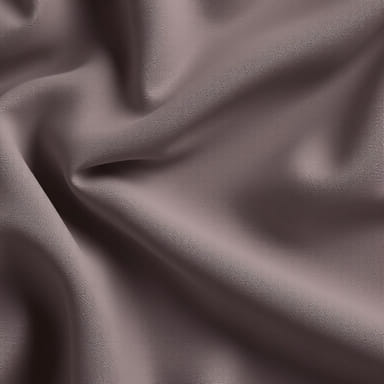
Poly viscose fabric has become increasingly popular in the fashion and textile industries due to its unique combination of comfort, appearance, and durability. This blend of polyester and viscose fibers brings together the best of both materials, making it suitable for a wide variety of uses ranging from clothing to upholstery. The fabric is known for its soft drape, lightweight feel, and resistance to wrinkles, which makes it a favorite choice for both casual wear and professional attire. Understanding what poly viscose is and how it performs can help shoppers, designers, and manufacturers make informed choices about this versatile fabric.
What Is Poly Viscose Fabric?
Definition and Composition
Poly viscose is a blended fabric that typically combines polyester, a synthetic fiber, and viscose, a semi-synthetic fiber derived from wood pulp. The ratio between the two materials can vary, but a common blend is 65% polyester and 35% viscose. This combination allows manufacturers to create fabric that has the softness and breathability of viscose, along with the strength and wrinkle resistance of polyester.
Why Blend Polyester and Viscose?
Each fiber brings its own advantages, and when combined, they produce a fabric that is more practical and comfortable than either material alone. Polyester is known for its strength, shape retention, and resistance to shrinking or stretching. Viscose, on the other hand, is breathable, soft to the touch, and has a natural luster that gives garments a polished appearance. The blend helps offset each fiber’s limitations, resulting in a balanced fabric ideal for modern lifestyles.
Characteristics of Poly Viscose Fabric
Softness and Comfort
One of the most appreciated features of poly viscose is its softness. Thanks to the viscose component, the fabric feels smooth against the skin, making it suitable for garments that require comfort, such as blouses, dresses, and trousers.
Durability and Strength
Polyester is a strong, long-lasting fiber, and its inclusion in the blend ensures that poly viscose holds up well to repeated wear and washing. It maintains its shape and resists common issues like tearing and fraying, even after multiple uses.
Breathability
While polyester alone can feel less breathable, the addition of viscose allows the fabric to offer better airflow. This makes poly viscose more comfortable to wear in warmer weather or during long days.
Wrinkle Resistance
Poly viscose is significantly more wrinkle-resistant than pure viscose. This makes it easier to care for and maintain, which is particularly valuable for workwear or travel clothing where a crisp appearance is essential.
Drape and Movement
The fabric has a nice drape, thanks to viscose’s natural flow and softness. It moves well with the body, giving clothes a flattering silhouette and elegant appearance without being too stiff or too clingy.
Common Uses of Poly Viscose
Fashion and Apparel
Poly viscose fabric is widely used in the fashion industry for its balance of comfort and performance. Common applications include:
- Suits and Blazers– Lightweight yet structured enough for professional attire.
- Shirts and Blouses– Soft and breathable, ideal for daily wear.
- Dresses and Skirts– Fluid drape enhances design while maintaining comfort.
- Trousers and Pants– Durable enough for office wear with a polished look.
School and Work Uniforms
Many uniforms, especially in schools or service industries, are made from poly viscose fabric due to its easy maintenance, wrinkle resistance, and affordability. It holds dye well, ensuring long-lasting color even with frequent washing.
Home Textiles
Though less common than in apparel, poly viscose can also be found in certain home textiles such as cushion covers, curtains, and decorative linens. The fabric’s appearance and softness make it a good choice for both functional and aesthetic purposes.
Advantages of Poly Viscose Fabric
- Affordable– Generally more budget-friendly than natural fiber alternatives like wool or silk.
- Color Retention– Polyester helps the fabric retain bright, vivid colors after multiple washes.
- Low Maintenance– Easy to wash, dry, and iron, with fewer requirements for special care.
- Hypoallergenic– Less likely to cause skin irritation, suitable for sensitive skin types.
- Eco-Friendly Potential– Viscose is plant-derived, and new technologies are improving polyester’s environmental footprint through recycling initiatives.
Disadvantages to Consider
Moisture Management
While poly viscose is more breathable than pure polyester, it still may not wick moisture as effectively as natural fabrics like cotton or bamboo. This may make it less ideal for high-performance activewear or extremely hot climates.
Pilling
Depending on the quality of the blend, poly viscose can be prone to pilling over time, especially with heavy friction or improper washing techniques.
Environmental Concerns
Viscose production can be environmentally taxing if not managed responsibly, due to the use of chemicals in the fiber extraction process. Similarly, polyester is petroleum-based, though recycled versions are becoming more common. When buying poly viscose, look for sustainable certifications if environmental impact is a concern.
Caring for Poly Viscose Fabric
Washing Instructions
Most poly viscose fabrics can be machine washed in cold or warm water using a gentle cycle. Always check the care label on the garment to avoid damage.
Drying Tips
Air drying is recommended to prevent shrinkage and preserve the fabric’s texture. If using a dryer, opt for a low heat setting.
Ironing and Maintenance
The fabric generally resists wrinkles but may still need light ironing. Use a warm iron and avoid high heat, especially if the polyester content is high. A pressing cloth can help prevent shine or scorching.
How Poly Viscose Compares to Other Fabrics
Vs. Cotton
Poly viscose is usually softer and more wrinkle-resistant than cotton. Cotton, however, is more breathable and more moisture-absorbent, making it better for hot climates.
Vs. Wool
Wool provides excellent insulation and natural stretch but is heavier and often requires dry cleaning. Poly viscose offers a lighter alternative suitable for similar applications, like suits and formalwear.
Vs. Rayon
Viscose is a type of rayon, but pure rayon fabrics can be delicate and prone to wrinkles. The polyester in poly viscose helps make it more durable and easier to care for.
Poly viscose fabric offers an ideal mix of affordability, comfort, and performance. By blending polyester’s strength with viscose’s softness and drape, this fabric has found its place in everyday fashion, uniforms, and even home décor. While there are some drawbacks, such as lower moisture-wicking capabilities and potential environmental concerns, the benefits make it a practical choice for many users. Whether you’re shopping for a stylish blazer, a functional school uniform, or breathable office wear, poly viscose delivers a well-rounded option that meets the needs of modern life.