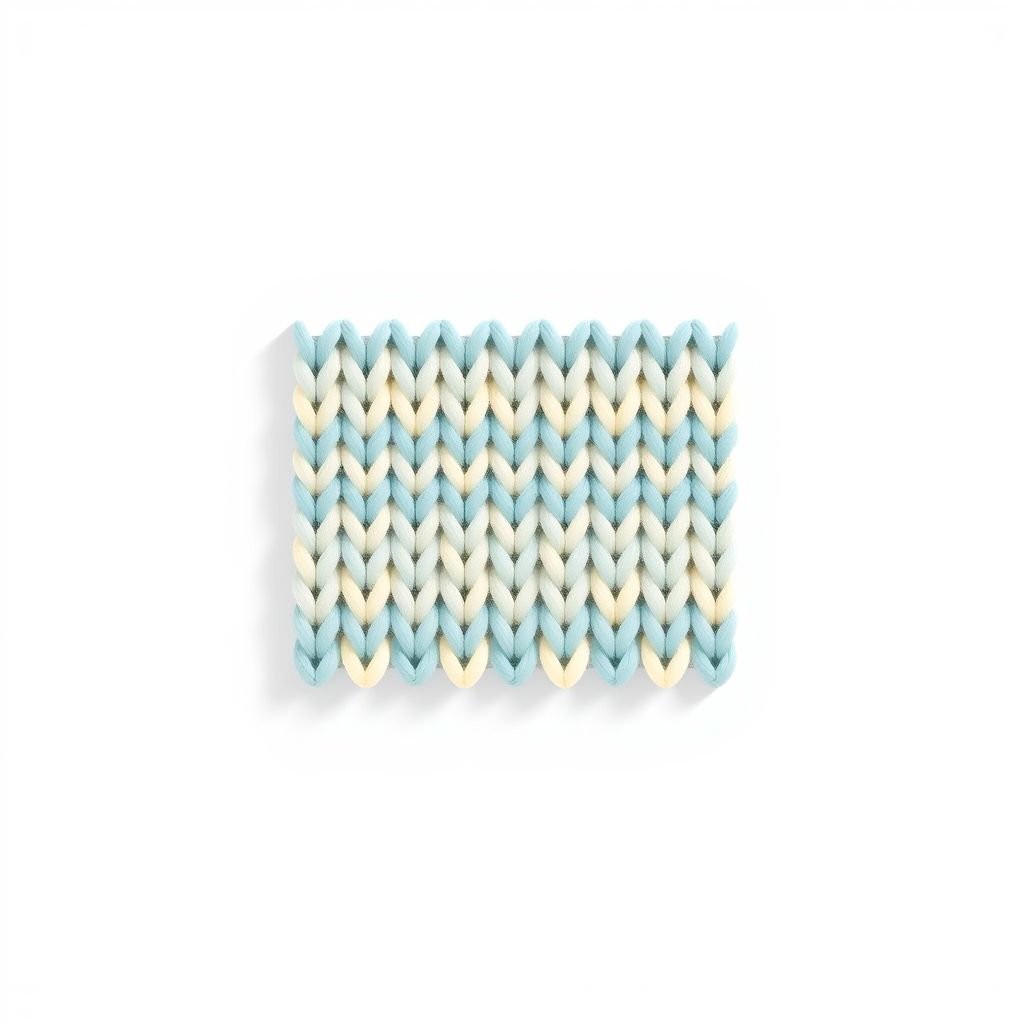
When learning to knit in a bilingual setting or exploring knitting patterns from other countries, it’s helpful to understand how certain terms are translated. One of the most fundamental stitches in knitting is the stockinette stitch, which appears in countless patterns and garments. If you’re diving into Spanish-language resources or simply want to expand your fiber arts vocabulary, knowing what ‘stockinette stitch’ is in Spanish is essential. This stitch not only forms the basis for many beginner projects but also plays a vital role in more advanced designs. Let’s explore its terminology, structure, usage, and how it translates across cultures.
Translation and Terminology
What Is Stockinette Stitch Called in Spanish?
In Spanish, the stockinette stitch is most commonly referred to as‘punto jersey’or‘punto liso’. Both terms are widely recognized among Spanish-speaking knitters. The word ‘jersey’ is used because this stitch is the standard texture found in jersey fabric smooth on one side and bumpy on the other. ‘Punto liso’ literally translates to ‘smooth stitch,’ highlighting the sleek surface on the right side of the fabric.
Other Related Terms
- Punto derecho knit stitch
- Punto revés purl stitch
- Tejer en jersey to knit in stockinette stitch
- Tejido liso smooth fabric, often used to describe the stockinette surface
These terms vary slightly depending on the country. For example, in Spain ‘punto jersey’ is very common, while in Latin America you might hear ‘punto liso’ more frequently.
Structure of Stockinette Stitch
How It’s Made
Stockinette stitch is created by alternating rows of knit stitches and purl stitches. When working flat (back and forth), you knit all stitches on the right side and purl all stitches on the wrong side. When working in the round, you simply knit every stitch, and the fabric naturally forms the stockinette pattern.
Right and Wrong Sides
The right side of stockinette stitch appears smooth with tiny ‘V’ shapes in each stitch, while the wrong side has a bumpy, textured feel made of horizontal bars. This contrast is important when following patterns that call for a particular fabric finish.
Appearance in Spanish Patterns
In Spanish knitting instructions, stockinette stitch might appear as:
- ‘Tejer una vuelta del derecho, una vuelta del revés’ Knit one row, purl one row
- ‘Trabajar en punto jersey’ Work in stockinette stitch
Understanding these instructions makes it easier to follow tutorials, printed patterns, or video guides in Spanish.
Common Uses of Stockinette Stitch
Garments and Accessories
Stockinette stitch is widely used in knitting garments such as sweaters, hats, scarves, mittens, and baby clothes. Its smooth surface makes it ideal for showcasing the drape and softness of the yarn. In Spanish-language projects, you’ll often see ‘punto jersey’ used in the body or sleeves of a sweater or in basic scarves for beginners.
Blankets and Home Decor
Although stockinette stitch can curl at the edges, it’s still used in home décor items like throw blankets, pillow covers, and even wall hangings. Spanish-speaking knitters may use ‘punto jersey’ in combination with other stitches such as garter stitch (punto bobo) or ribbing (punto elástico) to create variety and structure.
Benefits and Challenges
Why Choose Stockinette Stitch?
- It’s simple and easy to learn for beginners.
- The texture is ideal for highlighting yarn colors or variegation.
- It provides a clean canvas for embroidery or duplicate stitch designs.
In both English and Spanish knitting communities, this stitch is taught early and becomes a building block for more complex projects.
Common Issues
One of the drawbacks of stockinette stitch is its tendency to curl at the edges. Spanish knitting guides may suggest adding a few rows of garter stitch or ribbing as a border to prevent curling. In a pattern, you might see instructions like:‘Agregar 4 vueltas en punto bobo para evitar que se enrosque.’(Add 4 rows of garter stitch to prevent curling.)
Tips for Learning and Practicing in Spanish
Following Spanish Patterns
If you’re learning to knit or improving your Spanish language skills, working with patterns in Spanish is a great dual-purpose exercise. Look for beginner-level patterns that feature clear stitch instructions. Familiarizing yourself with basic knitting terms like ‘agujas’ (needles), ‘lana’ (yarn), and ‘puntos’ (stitches) will help you understand the structure of the pattern.
Labeling and Vocabulary Practice
Label your tools and projects using Spanish terms. Write out practice swatches and label them as ‘muestra de punto jersey’ or ‘tejido en punto liso.’ This visual reinforcement helps build your vocabulary while practicing essential knitting techniques.
Variations and Related Stitches
Reverse Stockinette Stitch
Reverse stockinette stitch, called‘punto jersey al revés’or‘punto liso del revés’in Spanish, is created by knitting the purl side and purling the knit side. The result is a fabric with the bumpy side facing outward. This variation is often used in textured patterns or to provide contrast with smoother surfaces.
Stockinette in the Round
In circular knitting, stockinette stitch becomes simpler since you knit every round. In Spanish, the instruction might read:‘Trabajar en redondo, tejiendo todos los puntos del derecho.’(Work in the round, knitting all stitches.) This method is common in hats, cowls, and seamless sweaters.
Regional Variations and Expressions
Different Spanish-Speaking Regions
As with any language, knitting terminology can vary slightly between countries. In Argentina, for example, ‘punto jersey’ is universal, but in Mexico or Chile, you might find knitters referring to it informally as ‘tejido liso.’ When browsing online forums or knitting communities in Spanish, always be open to regional differences in vocabulary.
Knitting Communities and Shared Patterns
Spanish-speaking knitting groups often share free patterns and tutorials using ‘punto jersey.’ These communities are excellent resources for exploring new projects, practicing your language skills, and seeing how others interpret traditional stitches like stockinette.
A Stitch That Connects Across Languages
The stockinette stitch, orpunto jersey, is more than just a basic knitting technique it’s a universal language in itself. Whether you’re reading patterns in English or Spanish, this stitch provides a familiar foundation for creativity, learning, and shared crafting traditions. By understanding its Spanish terminology and use, you expand your skills and gain access to a wider world of inspiration. So whether you call it stockinette stitch, punto liso, or punto jersey, the beauty of knitting lies in how seamlessly it crosses linguistic borders.