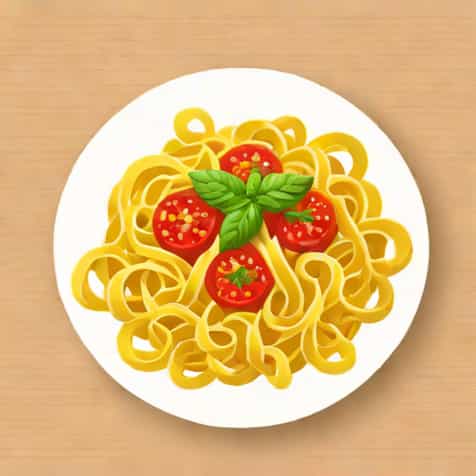
Tagliatelle alla Bolognese is one of the most celebrated pasta dishes in Italian cuisine, known for its comforting flavors and rich history. When people think of Italian food, spaghetti often comes to mind, but in Bologna, the true star is tagliatelle paired with a slow-cooked meat sauce. This dish represents tradition, culture, and the essence of home cooking in northern Italy. To understand it fully, we must look at the pasta itself, the sauce that completes it, and the stories that surround its creation. Far more than just a recipe, it is an example of how food connects people across generations and cultures.
The Meaning of Tagliatelle alla Bolognese
The name of the dish itself gives clues to its origins. Tagliatelle refers to the long, flat ribbons of pasta that are traditionally made by hand, cut from sheets of dough rolled out thin. The word comes from the Italian verbtagliare, meaning to cut. Alla Bolognese indicates the style of the sauce, originating from Bologna, a city in the Emilia-Romagna region of Italy. Unlike the popular misconception of Bolognese being a simple tomato sauce, the authentic version is a meat-based ragù that takes hours to cook slowly, creating depth of flavor. Combined, tagliatelle and ragù alla Bolognese form a dish that is hearty, balanced, and deeply satisfying.
The Pasta Tagliatelle
Tagliatelle is a type of fresh egg pasta, wider than fettuccine but narrower than pappardelle. Its slightly rough texture allows it to hold onto sauces better than smooth varieties of pasta. In Bologna, there is even a golden rule for tagliatelle’s size, preserved in the Chamber of Commerce one strand of tagliatelle should be 8 millimeters wide when cooked. This level of precision shows how seriously the region takes its culinary traditions.
How Tagliatelle is Made
Traditionally, tagliatelle is made using flour and eggs, kneaded into a dough that is rolled thin with a rolling pin or pasta machine. Once rolled, the sheet of pasta is folded and cut into strips. These ribbons are then dusted with flour to prevent sticking. Homemade tagliatelle has a tender bite and a porous surface that perfectly absorbs ragù, making it the ideal partner for Bolognese sauce.
The Sauce Ragù alla Bolognese
Ragù alla Bolognese is not just a sauce but a symbol of patience and tradition. The recipe has been passed down for centuries, with each family adding its own slight variations. However, the core elements remain the same finely chopped onion, carrot, and celery form the base, followed by ground beef and pork, sometimes with pancetta. White wine is used to deglaze the pan, and a small amount of tomato paste or sauce is added for balance. The mixture is simmered for hours with broth or milk to create a velvety texture.
Key Characteristics of Authentic Bolognese Sauce
- Meat-focusedThe sauce is primarily about the meat, not the tomato.
- Slow cookingSimmering for several hours is essential to develop rich flavors.
- Balanced ingredientsVegetables, wine, and dairy are used to soften and enrich the sauce.
- Regional prideBologna guards the authenticity of this ragù closely, ensuring it is distinct from other sauces.
The History of Tagliatelle alla Bolognese
Historical records trace ragù alla Bolognese back to at least the 18th century, when recipes for meat-based sauces began appearing in Italian cookbooks. However, the most iconic recognition came in 1982 when the Italian Academy of Cuisine officially registered the recipe for ragù alla Bolognese with the Bologna Chamber of Commerce. This registration included precise guidelines for the ingredients and method, ensuring that the dish could be preserved authentically for future generations.
Legends Around Its Creation
One famous story claims that tagliatelle was invented to honor Lucrezia Borgia’s wedding in the 15th century. The pasta’s ribbon-like shape was supposedly inspired by her golden hair. While the tale may be more myth than fact, it reflects the strong cultural significance attached to food in Italy.
Tagliatelle alla Bolognese vs. Spaghetti Bolognese
Outside Italy, especially in English-speaking countries, people are more familiar with spaghetti Bolognese. However, in Bologna, locals do not serve ragù with spaghetti. Instead, they insist on tagliatelle, as its width and texture hold the sauce much better. Spaghetti is considered too smooth and thin, causing the sauce to slip off rather than cling. Understanding this difference highlights how culinary traditions can change when they travel across cultures but also how authenticity remains important at the source.
Cultural Importance of the Dish
Tagliatelle alla Bolognese is more than a meal; it is a reflection of Bologna’s cultural identity. In Emilia-Romagna, food is considered a form of art, with recipes treasured like family heirlooms. Preparing this dish is often a family affair, where grandparents, parents, and children come together to knead dough, cut pasta, and stir sauce. Eating it at the table is an expression of warmth and community, making it an essential part of gatherings and celebrations.
Symbol of Italian Cuisine Abroad
Although often misunderstood outside Italy, tagliatelle alla Bolognese has become a global icon of Italian cooking. Restaurants worldwide serve their own interpretations, sometimes adapting ingredients based on availability or taste preferences. Yet, for Italians, the authentic version remains a source of pride and an ambassador of their culinary heritage.
How to Enjoy Tagliatelle alla Bolognese
Eating tagliatelle alla Bolognese is a sensory experience. The pasta provides a tender bite, while the sauce delivers layers of savory richness. A sprinkling of freshly grated Parmigiano-Reggiano cheese enhances the flavors, adding a salty and nutty note. This dish is typically enjoyed as aprimo piatto(first course) in Italy, before the main meat or fish course.
Tips for Serving
- Use freshly made tagliatelle whenever possible for authentic texture.
- Allow the sauce to simmer for at least 2-3 hours to deepen the flavor.
- Pair the dish with a glass of red wine from Emilia-Romagna, such as Sangiovese.
- Finish with Parmigiano-Reggiano, grated just before serving.
Why It Remains Timeless
The enduring popularity of tagliatelle alla Bolognese lies in its balance of simplicity and depth. The ingredients themselves are humble-flour, eggs, meat, vegetables-but the way they are combined transforms them into something extraordinary. This balance of tradition, technique, and flavor ensures that the dish continues to be loved by people of all ages and from different cultures.
Tagliatelle alla Bolognese is not merely pasta with sauce; it is a dish that carries centuries of history, culinary skill, and cultural pride. The combination of handmade tagliatelle and slow-cooked ragù alla Bolognese represents the essence of Italian cooking respect for ingredients, patience in preparation, and joy in sharing meals with others. Whether enjoyed in a traditional trattoria in Bologna or recreated in kitchens around the world, it remains a timeless symbol of comfort and authenticity. To understand tagliatelle alla Bolognese is to appreciate the heart of Italian cuisine itself.