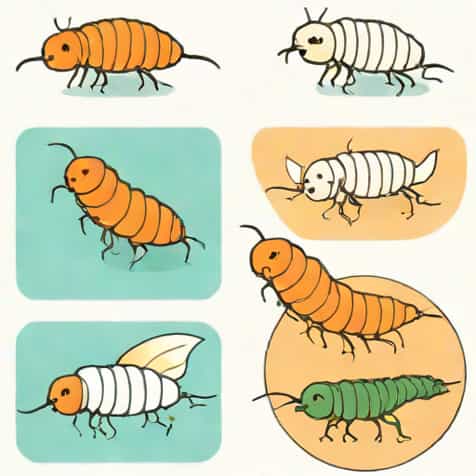
The silkworm is a fascinating insect that has played a crucial role in human civilization for thousands of years, primarily due to its ability to produce silk. Understanding the life cycle of the silkworm is essential not only for sericulture, the practice of silk farming, but also for appreciating the complex biological processes that occur in these small yet remarkable creatures. From egg to adult moth, the silkworm undergoes several stages of development, each with unique characteristics and significance. This topic explores the complete life cycle of the silkworm, highlighting its biology, growth stages, and the process of silk production.
Introduction to Silkworms
Silkworms, scientifically known asBombyx mori, are domesticated insects that have been bred for silk production for thousands of years. They belong to the Lepidoptera order, which includes moths and butterflies. Silkworms are particularly valued for the silk thread they produce, which is harvested from their cocoons. The life cycle of a silkworm is relatively short, typically lasting about 6 to 8 weeks, but it involves distinct stages egg, larva (caterpillar), pupa (cocoon), and adult moth. Each stage is critical for the insect’s development and for producing high-quality silk.
Stage 1 Egg
The life cycle of a silkworm begins with the egg. Female moths lay hundreds of tiny eggs, each about the size of a pinhead. These eggs are usually pale yellow or cream-colored and require a warm, humid environment to develop properly. The incubation period lasts approximately 10 to 14 days, depending on temperature and environmental conditions. During this period, the eggs gradually darken as the embryos develop inside. Proper care of the eggs is essential in sericulture, as it determines the success of the subsequent stages of the silkworm’s life cycle.
Characteristics of Silkworm Eggs
- Small, round, and yellowish in color.
- Require humidity and warmth for optimal development.
- Hatch into larvae in about 10 to 14 days.
- Female moths can lay 300 to 500 eggs, ensuring a high survival rate for the next generation.
Stage 2 Larva (Caterpillar)
Once the eggs hatch, the larvae, commonly known as silkworm caterpillars, emerge. This is the most active and important stage in the life cycle, as the larva focuses on feeding and growing rapidly. Silkworms primarily feed on mulberry leaves, consuming large quantities to fuel their development. The larval stage lasts about 20 to 30 days and includes several molts, typically four to five, during which the caterpillar sheds its skin to accommodate its growing body. This stage is crucial for silk production because the larva produces silk from specialized glands during the later part of this period.
Characteristics of the Larval Stage
- White or cream-colored, elongated body with a segmented structure.
- Consumes large amounts of mulberry leaves to gain weight and prepare for cocoon formation.
- Undergoes multiple molts to grow, known as instars.
- Prepares silk glands for the spinning of the cocoon during the final instar.
Stage 3 Pupa (Cocoon Formation)
After reaching the final instar, the silkworm enters the pupal stage, which is characterized by the formation of the cocoon. During this period, the larva secretes fibroin, a protein from its silk glands, which hardens to form a protective cocoon around its body. This cocoon serves as a protective chamber while the larva transforms into a pupa. The pupal stage typically lasts 10 to 14 days. During this time, significant changes occur internally as the pupa develops into an adult moth, a process known as metamorphosis.
Importance of the Cocoon
- Protects the pupa from environmental hazards and predators.
- Serves as the source of raw silk for commercial use.
- Allows the larva to undergo metamorphosis safely into an adult moth.
- The quality of silk depends on the health and nutrition of the larva during this stage.
Stage 4 Adult Moth
The final stage of the silkworm life cycle is the emergence of the adult moth. Once metamorphosis is complete, the moth breaks free from the cocoon. Adult silkworm moths are typically creamy white with feathery antennae. Their primary purpose at this stage is reproduction. Adult moths do not eat; instead, they focus on mating and laying eggs to continue the life cycle. After laying eggs, the female moth dies, completing the life cycle, while the male moth also dies shortly after mating.
Characteristics of Adult Moths
- Short lifespan, typically only a few days for reproduction.
- Do not feed and rely on stored energy from the larval stage.
- Responsible for reproduction, ensuring the continuation of the species.
- After mating and egg-laying, both male and female moths die.
Factors Affecting the Life Cycle of Silkworms
The life cycle of silkworms can be influenced by various environmental and nutritional factors. Proper temperature, humidity, and quality of mulberry leaves are critical for the successful development of each stage. In sericulture, controlling these factors ensures high-quality silk production and healthy silkworms. Other factors, such as light, airflow, and hygiene, also play a role in the overall health and growth of silkworms.
Environmental Considerations
- Optimal temperature 23-28°C during larval growth.
- Humidity 70-85% to prevent dehydration of eggs and larvae.
- Quality of food Fresh mulberry leaves enhance larval growth and cocoon quality.
- Cleanliness Reduces the risk of disease and ensures healthy development.
The life cycle of the silkworm is a remarkable example of metamorphosis, comprising four main stages egg, larva, pupa, and adult moth. Each stage plays a crucial role in the development and survival of the insect and has a direct impact on silk production. From the tiny egg to the silk-spinning larva and the reproductive adult moth, the silkworm undergoes incredible transformations that highlight the complexity of nature. Understanding this life cycle is essential for sericulture, biological studies, and appreciating the natural processes that have supported one of humanity’s most valuable resources for thousands of years. Proper care, environmental management, and knowledge of each developmental stage ensure successful growth and high-quality silk production, making the study of the silkworm life cycle both practical and fascinating.