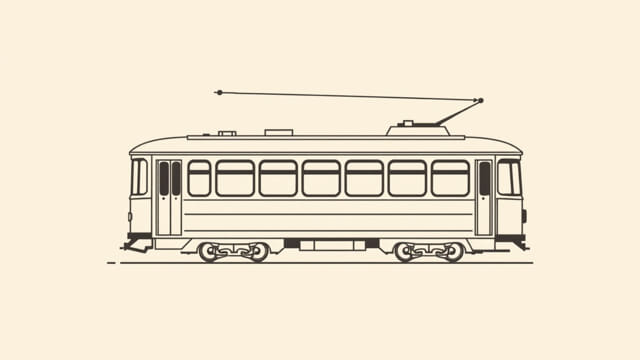
The electric tramcar has long been an iconic symbol of Kolkata’s public transport system, weaving through the city’s historic streets for over a century. For many, it represents not just a mode of transport, but a glimpse into the rich colonial and post-colonial history of India. The introduction of the first electric tramcar in Kolkata was a major technological leap forward, linking tradition with modernity and improving urban mobility. Understanding when the first electric tramcar began running in Kolkata also offers insight into the city’s infrastructural evolution during British rule and the broader development of public transport in the subcontinent.
The Origins of Tramways in Kolkata
Before electric tramcars arrived in Kolkata, the city had already experienced a tram system. The earliest trams were horse-drawn and began operating in 1873. However, this initial experiment was short-lived and halted due to operational and financial issues. It wasn’t until 1880 that horse-drawn trams returned and became a more permanent fixture of Kolkata’s transportation system.
The early tramways played a crucial role in shaping the city’s transport landscape, connecting important locations such as Sealdah, Esplanade, and Kalighat. But these horse-drawn carriages had limited capacity and speed. With rapid urbanization and increasing demand for efficient transportation, the need for a more powerful and faster tram system became apparent.
Introduction of the Electric Tramcar
The breakthrough moment came on 27 March 1902, when the first electric tramcar was officially launched in Kolkata. The electrification of the tram system marked a turning point in India’s public transport history, making Kolkata the first city in the country to operate electric trams. The service began between Esplanade and Kidderpore, a key route through the central areas of the city.
This technological advancement was made possible through the efforts of the Calcutta Tramways Company, which had already been running horse-drawn trams. The company collaborated with British engineers to set up electric power infrastructure and install electric tracks. The electric tramcars were cleaner, faster, and more reliable than their horse-drawn predecessors, and their popularity quickly grew among the city’s residents.
Key Milestones Leading to Electrification
- 1880 Horse-drawn tram services were restarted in Kolkata.
- 1899 Discussions and plans began for electrifying the tram network.
- 1900-1901 Installation of electric lines and testing of electric trams commenced.
- 27 March 1902 The first electric tramcar service was inaugurated.
The Impact of Electric Trams in Kolkata
The launch of electric tramcars had a transformative effect on the city. It significantly improved the speed and efficiency of travel for thousands of daily commuters. The service expanded quickly, and new routes were added to cover more areas of Kolkata. Tramcars became an essential part of daily life, not only for their utility but also for their cultural symbolism.
Electric tramcars also contributed to urban development by linking previously isolated neighborhoods and stimulating economic activities along their routes. Markets, schools, offices, and residential zones began to cluster around tram lines, making the system integral to Kolkata’s growth.
Technical Features of Early Electric Tramcars
The first generation of electric tramcars used overhead electric wires and a pantograph system to draw power. They ran on steel tracks embedded in the road, and each tramcar typically had wooden seating, brass fittings, and manually operated doors. The interiors were modest, but the ride was smoother and faster compared to the older horse-drawn trams.
The electrification process involved laying down electric tracks and setting up substations to manage the power supply. British engineers and Indian workers collaborated closely to ensure the system met the growing demands of urban transportation.
Growth and Expansion in the 20th Century
Following the success of the first electric tram route, the Calcutta Tramways Company expanded operations. By the 1930s, tramlines covered most of the city, with major terminals in Esplanade, Howrah Bridge, Tollygunge, and Sealdah. Tram depots and workshops were built to maintain and store the growing fleet of electric tramcars.
Post-independence, the tram service continued to operate under government control. Despite the rise of buses, autos, and metro systems, tramcars retained their charm and remained in service, especially in central Kolkata and older neighborhoods.
Routes and Reach
- Esplanade to Kidderpore (First electric route)
- Shyambazar to Kalighat
- Sealdah to Howrah Bridge
- Tollygunge to Ballygunge
Challenges in the Modern Era
Despite their historical and cultural significance, electric tramcars in Kolkata have faced many challenges in recent decades. Growing traffic congestion, urban sprawl, and maintenance costs have led to a decline in services. Several routes have been closed, and fewer tramcars now operate compared to the mid-20th century.
Still, the electric tramcar remains a nostalgic and eco-friendly symbol of Kolkata. Efforts have been made by heritage groups and environmental advocates to preserve and modernize the system. There is growing recognition of trams as a sustainable mode of transport in a heavily polluted urban environment.
The first electric tramcar in Kolkata began operating on 27 March 1902, forever changing the way people moved through the city. This event was not just a technical upgrade but a cultural milestone, marking the beginning of electric public transport in India. For over a century, Kolkata’s electric trams have served millions, becoming an integral part of the city’s identity and heritage. Although they now face modernization challenges, their legacy continues to ride through the streets, a testament to both the city’s colonial past and its resilience in embracing progress.