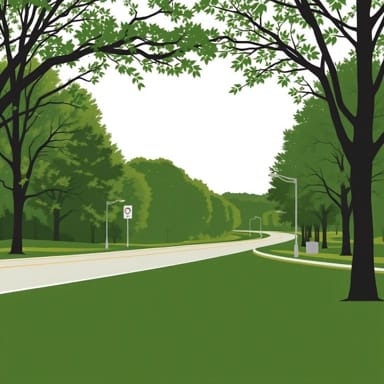
The Merritt Parkway is one of the most scenic and historically significant highways in the United States. Known for its picturesque drive, art-deco bridges, and tree-lined roads, this unique parkway is located in the state of Connecticut. Built in the 1930s, the Merritt Parkway is more than just a road it is a landmark that combines transportation, landscape architecture, and early American highway design. For travelers, history lovers, and daily commuters, understanding where Merritt Parkway is and what it offers is key to appreciating its importance in both function and form.
Location of the Merritt Parkway
The Merritt Parkway runs through the southwestern part of Connecticut in the United States. It stretches for approximately 37 miles (about 60 kilometers) and primarily serves Fairfield County. The parkway begins in the town of Greenwich near the New York border and ends in the city of Milford, where it transitions into the Wilbur Cross Parkway. This makes it a crucial route for commuters traveling between New York and interior parts of Connecticut.
Route Overview
The Merritt Parkway is officially designated as Connecticut Route 15. It parallels Interstate 95 (I-95) and U.S. Route 1, but it is known for being more pleasant to drive thanks to its lower speed limits, scenic environment, and restrictions on commercial vehicles.
- Starting point: Greenwich, CT
- Ending point: Milford, CT
- Total length: Approximately 37 miles
- Main towns along the route: Stamford, Norwalk, Westport, Fairfield, Bridgeport, and Trumbull
Accessing the Merritt Parkway
Getting onto the Merritt Parkway is relatively easy if you are traveling through southern Connecticut. There are multiple entry and exit ramps connecting it to local roads and highways.
Connections to Major Roads
Several important roads intersect or connect with the Merritt Parkway:
- I-95: Through local connectors in Greenwich and Norwalk
- Route 7: Near Norwalk, offering access to interior Connecticut towns
- Route 8: In Trumbull, a major route toward central Connecticut
- I-91: Indirectly via the continuation of Route 15 into the Wilbur Cross Parkway
Why the Merritt Parkway Is Not Just Another Road
While many highways serve purely functional purposes, the Merritt Parkway is special because of its architectural and environmental design. It was one of the first roads in the U.S. built specifically for automobile use and is listed on the National Register of Historic Places.
Bridge Design and Art Deco Influence
One of the most fascinating aspects of the Merritt Parkway is its bridges. Each overpass was uniquely designed, incorporating art-deco, neoclassical, or modernist elements. In total, there are more than 30 bridges along the parkway, and none of them are exactly the same. This makes driving the road feel like moving through a living gallery of early 20th-century American design.
Landscaping and Scenic Drive
The parkway was designed with beauty in mind. Its medians, shoulders, and surrounding forests are carefully maintained, creating a green corridor that provides shade and natural views. Unlike modern expressways, billboards and large commercial signs are banned, helping preserve the scenic experience.
Driving Rules and Restrictions
It’s important to note that the Merritt Parkway has some restrictions and guidelines that are different from other highways in the region.
- No Commercial Trucks: The parkway prohibits commercial vehicles, which keeps traffic lighter and the environment quieter.
- Passenger Vehicles Only: The road is limited to cars, motorcycles, and other small passenger vehicles.
- Speed Limit: Generally between 55 and 65 mph, but this can vary by segment.
- Historic Tunnels and Low Bridges: Some bridges are too low for tall vehicles, another reason trucks are banned.
Historical Background of the Merritt Parkway
The idea for the Merritt Parkway was proposed in the 1920s as a way to relieve traffic on U.S. Route 1. Construction began in 1934 during the Great Depression and was completed in 1940. Named after Schuyler Merritt, a U.S. Congressman who advocated for its construction, the parkway quickly became a symbol of progress and modern design in America.
Role During Development
The Merritt Parkway was not just a road; it was a major public works project that created jobs during the Depression. It employed thousands of workers and craftsmen who contributed to both the road and its surrounding infrastructure.
National Recognition
In 1991, the Merritt Parkway was added to the National Register of Historic Places. This status helps protect its unique characteristics, including its artistic bridges and forested landscape.
Modern Use and Maintenance
Today, the Merritt Parkway continues to serve as a key route for local commuters and regional travelers. Although it was designed nearly a century ago, it remains in active use and receives regular maintenance to preserve both safety and historic value.
Upgrades and Preservation
Modern upgrades have included repaving, installation of guardrails, and improved lighting all done with the goal of maintaining the parkway’s historical aesthetics. Preservation efforts focus on retaining original design elements while ensuring the road meets current safety standards.
Traffic and Congestion
Like many roads in densely populated regions, the Merritt Parkway can experience heavy traffic, especially during weekday rush hours. However, its limited-access design and absence of large trucks make it more pleasant than many alternatives.
Why Travelers Appreciate the Merritt Parkway
People enjoy traveling on the Merritt Parkway for many reasons. Unlike the typical, utilitarian highway, this route offers a driving experience that feels personal and scenic. It’s ideal for people who appreciate history, architecture, and natural landscapes all from the comfort of their vehicle.
Points of Interest Nearby
If you’re driving along the Merritt Parkway, you’ll find several interesting stops along the way:
- Stamford Museum & Nature Center
- Pepsico Sculpture Gardens
- Beardsley Zoo in Bridgeport
- Waveny Park in New Canaan
These sites add more depth to your trip, whether you’re passing through or taking a leisure drive.
The Merritt Parkway is much more than a road it is a preserved piece of American history, a scenic route through southwestern Connecticut, and a functional highway that continues to serve thousands of travelers daily. If you ever find yourself driving through Connecticut, taking the Merritt Parkway offers a blend of beauty, history, and convenience. It’s a reminder that even in the age of fast travel and wide highways, a thoughtfully designed route can still provide an unforgettable journey.