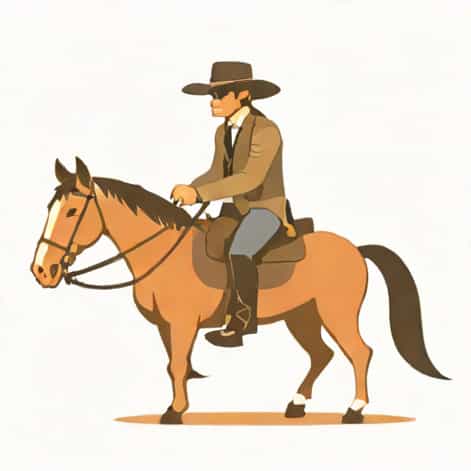
The Lone Ranger is an iconic fictional character in American popular culture, renowned for his role as a masked hero who fights injustice in the Old West. First introduced to audiences in 1933 on a radio show created by George W. Trendle and Fran Striker, the Lone Ranger quickly became a symbol of courage, morality, and justice. Over the decades, the character has appeared in radio, television, film, comic books, and novels, leaving a lasting legacy in the Western genre and shaping the concept of the masked vigilante in American storytelling.
Origins of the Lone Ranger
The Lone Ranger’s story begins in the American frontier during a period marked by lawlessness and expansion into new territories. According to the original narrative, he was the sole survivor of a group of Texas Rangers ambushed by outlaws. Found and nursed back to health by a Native American named Tonto, he adopts a masked identity to fight criminals and bring law and order to the frontier. The mask serves both as a symbol of justice and as a way to protect his identity, allowing him to operate above the law when necessary.
Tonto The Lone Ranger’s Companion
Tonto, the Lone Ranger’s loyal Native American companion, plays a crucial role in the story. He provides guidance, support, and companionship, helping the Lone Ranger navigate the challenges of the frontier. The partnership between the Lone Ranger and Tonto emphasizes themes of friendship, loyalty, and cooperation across cultural lines, reflecting both the romanticized view of the Old West and the social dynamics of the time. Tonto’s presence also adds depth to the Lone Ranger’s character, highlighting his reliance on intelligence and strategy rather than brute force alone.
Character Traits and Symbolism
The Lone Ranger embodies a set of distinct traits that have contributed to his enduring popularity. These characteristics include
- HeroismHe consistently stands up against outlaws, corruption, and injustice, often risking his life to protect others.
- Moral CodeGuided by a strong sense of right and wrong, the Lone Ranger refuses to kill, relying instead on skill, intelligence, and courage to defeat enemies.
- Skill and ResourcefulnessProficient in riding, marksmanship, and tracking, the Lone Ranger uses his abilities to maintain law and order across vast and dangerous landscapes.
- Symbol of JusticeThe mask and silver bullets he carries symbolize his commitment to fairness, courage, and moral integrity.
Silver Bullet Symbolism
The Lone Ranger’s silver bullets are an iconic part of his identity, representing justice and precision. Unlike ordinary bullets, the silver bullets are symbolic tools that signify his moral restraint and commitment to exacting justice without unnecessary violence. The use of silver also adds a mythical quality to the character, elevating him above ordinary lawmen and creating a legend that resonates with audiences.
Media Adaptations
The Lone Ranger’s popularity grew through various media adaptations. Beginning as a radio program, the character transitioned to television in the 1940s and 1950s, with Clayton Moore famously portraying him. The television series helped solidify the Lone Ranger’s image as a masked hero on horseback, complete with his iconic white hat, black mask, and silver bullets. Beyond television, the character appeared in comic books, novels, and films, each adaptation expanding the mythos and introducing the Lone Ranger to new generations.
Films and Modern Interpretations
Over the years, the Lone Ranger has been adapted into numerous films, ranging from classic black-and-white Westerns to modern interpretations. These films explore different aspects of his character, often highlighting themes of justice, personal sacrifice, and the struggle between lawlessness and morality. While some modern adaptations take creative liberties, they continue to preserve the essence of the Lone Ranger as a hero who stands against corruption and champions the cause of the innocent.
Cultural Impact
The Lone Ranger has left a significant mark on American culture, inspiring other fictional heroes and shaping the portrayal of masked vigilantes in popular media. His commitment to justice, moral integrity, and clever problem-solving has influenced a wide range of characters in comics, movies, and television. The partnership with Tonto also helped introduce early depictions of cross-cultural collaboration and loyalty in storytelling. Beyond entertainment, the Lone Ranger symbolizes the ideals of courage, fairness, and perseverance that resonate across generations.
Legacy in Popular Culture
Even decades after his debut, the Lone Ranger remains a recognizable figure in global popular culture. References to his iconic catchphrases, silver bullets, and masked appearance appear in literature, music, and media. Educational programs and media retrospectives often use the Lone Ranger to discuss American frontier mythology, heroism, and the evolution of the Western genre. His story continues to engage audiences as a representation of the timeless struggle between good and evil, law and chaos, and individual responsibility versus societal disorder.
The Lone Ranger stands as a lasting symbol of heroism, justice, and moral integrity. From his origins on the radio in 1933 to television, comics, and film, he has captured the imagination of audiences worldwide. Alongside Tonto, his adventures in the American frontier reflect both the mythology of the Old West and the enduring appeal of a hero committed to righteousness. His silver bullets, mask, and unwavering principles make him an enduring figure whose influence continues to shape the portrayal of heroes in popular culture, making the Lone Ranger an unforgettable icon in American storytelling.