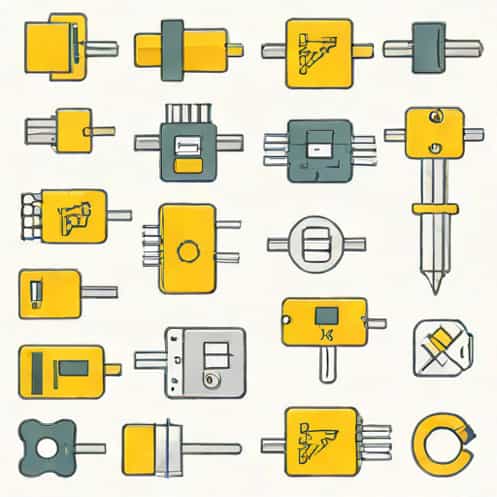
Electricity is an essential part of modern life, but it can also be dangerous if not properly controlled. One of the simplest yet most important safety devices in electrical systems is the fuse. It acts as a protective element that prevents electrical overloads and short circuits from damaging equipment or causing fires. Understanding the function of a fuse and the different types of fuses used in various applications helps in maintaining safety and efficiency in electrical systems. Whether in homes, automobiles, or industrial machinery, fuses play a critical role in ensuring that electrical currents stay within safe limits.
What Is a Fuse?
A fuse is an electrical safety device designed to protect circuits from excessive current flow. It consists of a metal wire or strip that melts when too much current passes through it, breaking the circuit and stopping the flow of electricity. This process prevents overheating and potential damage to connected devices or wiring. Once a fuse has operated (or blown), it must be replaced to restore the circuit.
The main purpose of a fuse is to act as a weak point in the circuit-an intentional failure point that prevents more serious damage. It is a simple yet effective form of overcurrent protection, commonly found in electrical panels, plugs, and electronic equipment. In everyday life, fuses are found in everything from home appliances and vehicles to industrial power systems.
How a Fuse Works
The working principle of a fuse is based on the heating effect of electric current. When electrical current flows through a conductor, heat is generated according to the formula
Heat (H) = I² à R à t
WhereIis the current,Ris the resistance of the material, andtis the time the current flows. If the current exceeds a safe value, the heat produced increases rapidly. The fuse element, usually made of a low-melting-point metal like tin, copper, or silver alloy, melts under excessive heat, thereby opening the circuit and stopping the current flow. This quick response helps protect electrical components from damage due to overloads or faults.
Importance of Fuses in Electrical Systems
Fuses play an essential role in maintaining electrical safety and protecting both people and equipment. Some key reasons why fuses are important include
- Overcurrent protectionFuses prevent damage to circuits and appliances by interrupting excessive current flow.
- Fire preventionThey stop wires from overheating and potentially causing fires due to electrical faults.
- Cost efficiencyFuses are inexpensive and easy to replace compared to repairing burnt-out equipment or damaged circuits.
- ReliabilityA properly rated fuse ensures consistent and dependable protection.
Without fuses, even a small electrical fault could lead to catastrophic damage in homes, factories, or electronic systems.
Main Types of Fuses
Fuses come in various types depending on their design, application, and breaking capacity. They are broadly classified into two categories AC (alternating current) fuses and DC (direct current) fuses. Within these groups, there are several specific types based on structure and performance characteristics.
1. Cartridge Fuses
Cartridge fuses are among the most common types used in both household and industrial applications. They have a cylindrical body made of ceramic or glass with metal caps on both ends. Inside the fuse is a metal wire or strip that melts when overloaded.
- High rupturing capacity (HRC) fusesDesigned for high-current applications, HRC fuses can safely interrupt large fault currents without exploding. They are often used in industrial equipment and large electrical systems.
- Rewirable fusesCommon in older electrical installations, these fuses can be rewired with a new fuse wire after they blow. However, they are less reliable and are being replaced by cartridge and circuit breaker systems.
2. Blade or Plug-In Fuses
Blade fuses, also known as automotive fuses, are small plastic-cased fuses with two metal prongs. They are commonly used in vehicles to protect circuits such as lights, radios, and ignition systems. These fuses are color-coded by current rating for easy identification and quick replacement.
3. Resettable Fuses (PTC Fuses)
Unlike traditional fuses that must be replaced after blowing, resettable fuses (also called polymeric positive temperature coefficient or PTC fuses) automatically reset themselves after cooling down. When an overcurrent occurs, the fuse material heats up, increasing resistance and reducing current flow. Once the fault is cleared and the device cools, it returns to its normal state. These fuses are commonly used in modern electronics, computer power supplies, and communication devices.
4. Thermal Fuses
Thermal fuses respond to excessive temperature rather than electrical current. When the surrounding temperature exceeds a set limit, the fuse opens the circuit to prevent overheating. They are commonly used in appliances like coffee makers, hair dryers, and heating equipment. Unlike resettable fuses, thermal fuses cannot be reused once triggered.
5. Semiconductor Fuses
These fuses are designed to protect sensitive electronic devices such as diodes, transistors, and integrated circuits. Because semiconductors are easily damaged by even small overcurrents, semiconductor fuses have very low melting points and fast reaction times. They are used in equipment where precision and protection are critical.
6. Time-Delay (Slow-Blow) Fuses
Time-delay fuses, or slow-blow fuses, are designed to tolerate temporary current surges, such as those that occur when motors start or certain devices power on. They only blow when the overcurrent lasts for a sustained period. This makes them ideal for devices with high inrush currents like refrigerators, air conditioners, and power tools.
AC vs. DC Fuses
While the function of fuses in AC and DC systems is similar, their construction differs due to the nature of current flow
- AC fusesDesigned for alternating current, which changes direction periodically. They extinguish the arc easily when the current crosses zero voltage points.
- DC fusesUsed for direct current, which flows in one direction and does not have zero voltage crossings. These fuses must be built to handle continuous arcs and are typically longer and stronger to ensure safe interruption.
Using the correct type of fuse for the specific current system is vital for safety and efficiency. A DC fuse used in an AC circuit, or vice versa, may fail to operate correctly, leading to hazards.
Fuse Ratings and Selection
Choosing the right fuse for a circuit requires understanding key parameters such as current rating, voltage rating, and breaking capacity
- Current ratingThe maximum current the fuse can carry continuously without melting. It should match or slightly exceed the circuit’s operating current.
- Voltage ratingThe maximum voltage the fuse can safely interrupt. It must be equal to or greater than the circuit voltage.
- Breaking capacityThe highest fault current the fuse can safely interrupt without causing damage or fire.
Using an incorrect fuse rating can result in inadequate protection or frequent fuse blowing, disrupting operations and compromising safety.
Advantages of Using Fuses
Fuses are widely used due to their simplicity and reliability. Some major advantages include
- Simple design and easy installation.
- Fast response to overload conditions.
- Low cost compared to circuit breakers.
- No external power source required for operation.
- Reliable protection in both residential and industrial systems.
Limitations of Fuses
Despite their advantages, fuses also have some limitations
- They need replacement after operation, which can cause downtime.
- Improper replacement with incorrect ratings can lead to safety issues.
- They cannot provide selective protection in complex systems like circuit breakers can.
Fuses may seem like small and simple components, but they perform an essential role in electrical safety. By automatically disconnecting the circuit during overloads or faults, fuses prevent potential damage, fire, and electric shock. Understanding the various types of fuses-such as cartridge, blade, thermal, and resettable fuses-helps in selecting the right one for each application. Whether for homes, vehicles, or industrial machines, the correct fuse ensures a safe, efficient, and reliable electrical system. In short, while modern technology continues to evolve, the basic principle of the fuse remains one of the most effective forms of circuit protection ever developed.