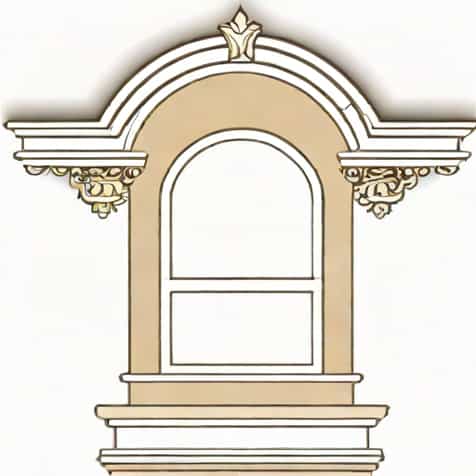
A cornice board is an architectural and decorative element commonly used in interior design to enhance the appearance of windows and conceal curtain hardware. It is a rigid, often upholstered or wooden structure mounted above a window, designed to hide curtain rods, tracks, or other fixtures, providing a clean and polished look. Cornice boards serve both functional and aesthetic purposes, adding elegance to a room while creating the illusion of taller or wider windows. Understanding what a cornice board is involves exploring its design options, materials, installation methods, styles, and practical benefits in modern and traditional home décor.
Definition and Purpose of a Cornice Board
A cornice board is defined as a decorative covering that sits at the top of a window, primarily intended to hide curtain rods, blinds, or drapery hardware. Beyond its functional purpose, it also acts as a design element that complements the overall interior style of a room. Cornice boards can be simple and minimalistic or ornate and elaborate, depending on the desired aesthetic effect. They are often used in living rooms, dining areas, bedrooms, and offices to add sophistication and finish to window treatments.
Functional Benefits
Cornice boards offer several functional benefits, including
- ConcealmentHides curtain rods, hooks, tracks, and other hardware for a neat appearance.
- InsulationHelps reduce drafts around windows, contributing to energy efficiency.
- Light ControlPrevents light from leaking through the top of curtains or drapes.
- Structural SupportProvides a stable base for heavier drapery or layered window treatments.
These benefits make cornice boards a practical solution for both decorative and functional window treatment needs.
Materials and Construction
Cornice boards can be made from a variety of materials, each offering unique advantages and styles. Common materials include
- WoodSolid wood or plywood provides durability and a classic look, suitable for painting or staining.
- FoamLightweight foam cores are often upholstered with fabric, offering a soft, cushioned appearance.
- FabricTypically used to cover a wooden or foam base, fabric allows customization with patterns, colors, and textures.
- Metal or CompositeSome modern designs use metal or engineered materials for a sleek, contemporary aesthetic.
The construction usually involves a core material, such as wood or foam, wrapped in decorative fabric or paint, with optional embellishments like trim, fringe, or tassels.
Styles of Cornice Boards
Cornice boards come in several styles to suit different interior design themes
- Box CorniceA rectangular, box-shaped design that adds height and structure to a window.
- Scalloped CorniceFeatures curved or wavy edges for a softer, decorative touch.
- Curved or Arched CorniceAdds elegance with rounded or arched tops, often used in formal rooms.
- Layered CorniceIncorporates multiple tiers or layers for a dramatic, architectural look.
Choosing the right style depends on the room’s décor, window shape, and the desired visual impact.
Installation and Placement
Installing a cornice board involves several steps to ensure it is level, secure, and visually appealing. Key considerations include
- Measuring the width and height of the window to determine the correct size of the cornice board.
- Mounting brackets or a wooden frame above the window to support the cornice.
- Attaching the board to the brackets, ensuring it is level and flush with the wall.
- Covering with fabric or decorative material if not pre-finished, adding trims or embellishments as needed.
Cornice boards can be mounted directly to the wall or ceiling, depending on the room layout and window positioning. Professional installation may be recommended for larger or heavier designs.
Design Considerations
When selecting or designing a cornice board, several factors should be considered
- ProportionThe cornice board should be proportional to the window size, neither overwhelming nor too small.
- Color and FabricFabric-covered boards should complement the curtains and overall room palette.
- Trim and DetailsDecorative elements like braid, fringe, or tassels can enhance the design and add texture.
- Room StyleCornice boards can be tailored to match traditional, modern, rustic, or eclectic décor.
Attention to these details ensures the cornice board enhances the room’s aesthetic while maintaining functionality.
Maintenance and Longevity
Maintaining a cornice board depends on the materials used. Wooden or painted boards can be dusted and occasionally polished, while fabric-covered boards may require vacuuming or spot cleaning. Regular maintenance helps preserve the appearance and longevity of the cornice, keeping it free from dust, fading, or wear. In some cases, fabric covers can be removed and replaced to update the room’s style without changing the entire cornice structure.
Applications Beyond Windows
While primarily associated with windows, cornice boards can also be used in other decorative contexts
- Top of doors or entryways to add architectural interest.
- As decorative elements along walls or ceilings for accentuating molding.
- Over cabinets or shelving to conceal lighting or hardware.
These applications demonstrate the versatility of cornice boards as both functional and decorative components in interior design.
A cornice board is a versatile and elegant addition to any room, serving both decorative and functional purposes. By concealing curtain hardware, enhancing window aesthetics, and providing structural support for drapery, cornice boards improve the overall appearance and functionality of a space. Available in a variety of materials, styles, and designs, they can be customized to fit traditional, modern, or eclectic interiors. Proper measurement, installation, and maintenance ensure that the cornice board remains a lasting and attractive feature, helping to create a polished, cohesive, and stylish environment. Understanding what a cornice board is and how to effectively use it allows homeowners and designers to elevate their interior spaces while combining practicality with beauty.